Freedom Farms Emergency Services Foundation · Utah
Our community.
Their place
to come back to.
We are bringing neighbors, agencies, builders and partners together for the people who answer the call. A working place to train, care for animals, share a meal, find purpose and come back to one another.
LandLivestockCommunityCountry
01TrainFire · EMS · Law enforcement
02RespondAnimals · Agriculture
03ReconnectResponders · Veterans
04BuildSkills · Workforce
01 Our Why · Why we are building this
For those who serve · Built by those who care
They show up for us. We can show up for them.
A community-built place for training, recovery, working land and the connections that hold people together.
Firefighters, EMTs, law enforcement officers, dispatchers, corrections personnel, veterans and their families carry more than most people see. Rural communities and animals face emergencies that demand preparation before help arrives.
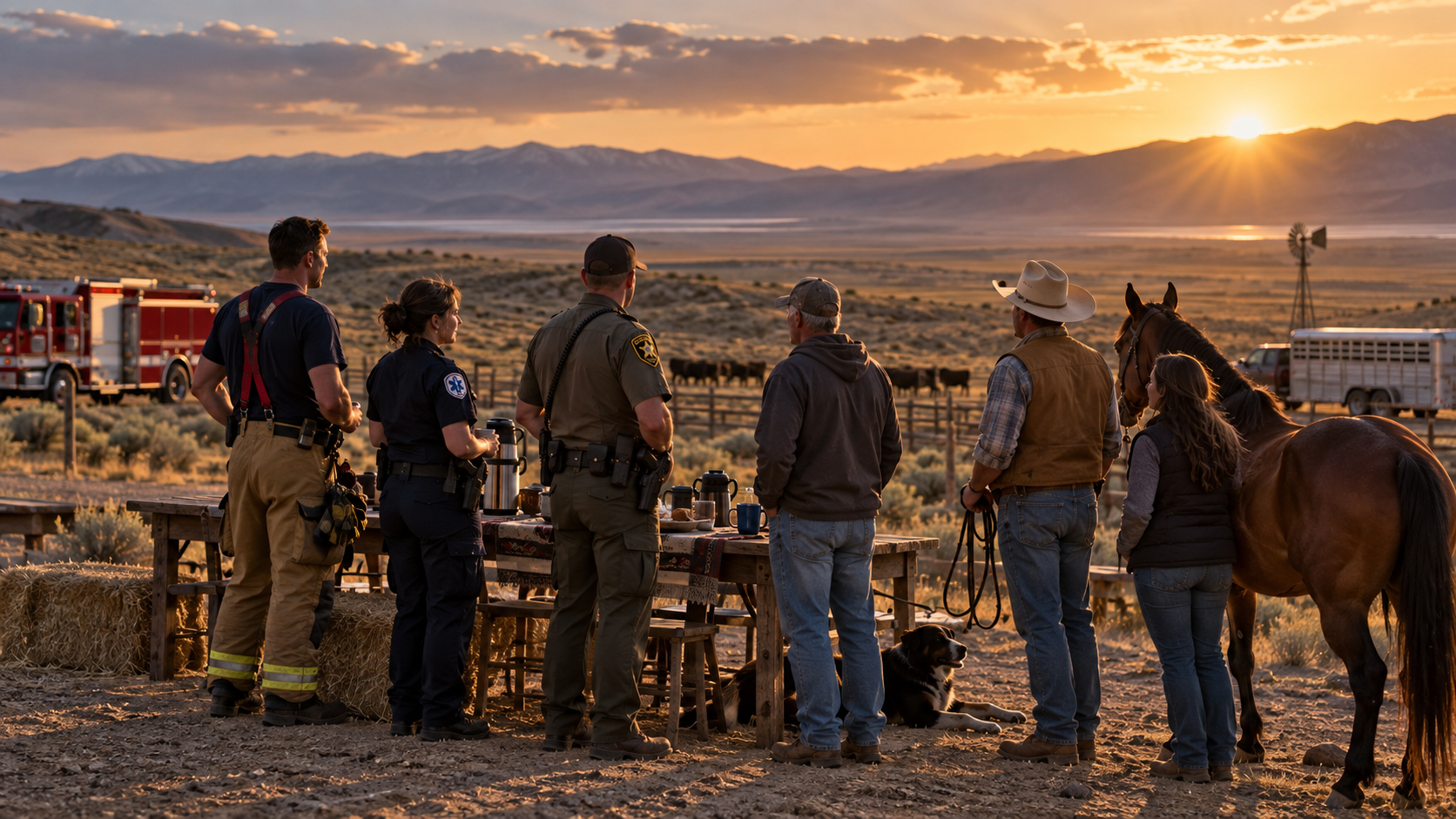
Freedom Farms brings people with different skills to the same table. Agencies shape training. Farmers and animal professionals strengthen readiness. Builders make the place real. Neighbors make sure those who serve have somewhere to belong.
01 · The rootsService taught us to show up.
Freedom Farms began with firsthand fire service and rural response experience. Founder Jeff Clark served about ten years as a firefighter/EMT and has spent nearly 30 years building. The lasting lesson is shared across every crew: know your job, show up and take care of the people beside you.
02 · Maine, 2018The need became a shared vision.
What started as a father and son's conversation about a place for firefighters, EMTs, veterans and families grew into something the wider community can build together: practical training, room to reset and useful work that gives people a reason to return.
03 · The reason grewThe losses changed the scale of the mission.
Multiple firefighters in our mutual-aid community died by suicide, including Jeff's chief. Those losses made the need unmistakable. We want to help people prepare before the call, stand beside communities during it and give responders, veterans and families a real way back to connection afterward.
04 · One connected systemEverything here has a reason.
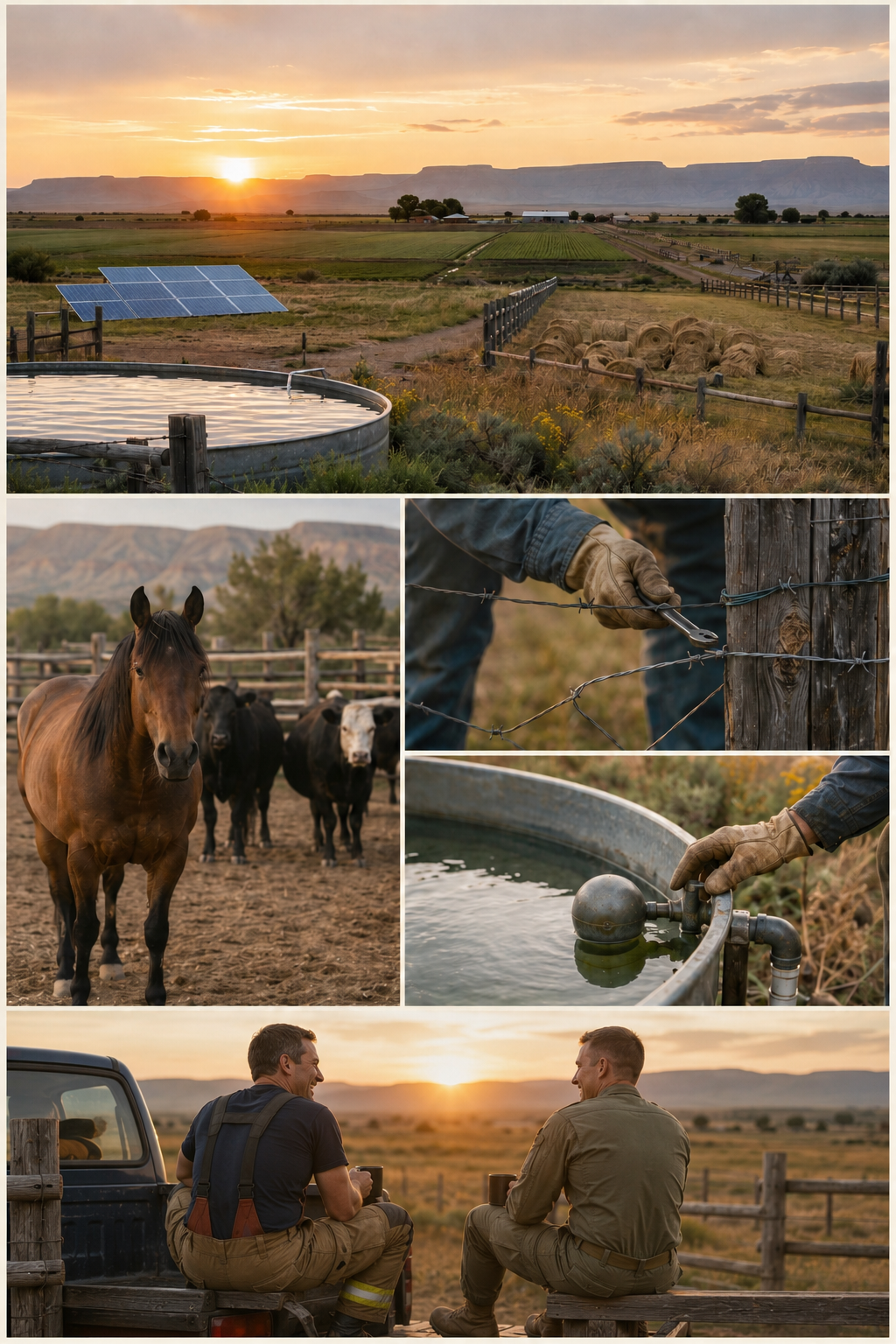
Emergency training builds readiness. FFEART gives animals a way out. Agriculture, construction and skilled work create purpose. The Hot Spot, peer support and specialty dinners bring people back to the table. Veterans and young people find meaningful ways to contribute. These are not separate projects. Together, they are Freedom Farms.
05 · Built to be rememberedSerious mission. A place that feels alive.
Freedom Farms should be a place people look forward to coming back to—hands-on training, horses and livestock, the Western training town, meals in the mess hall, specialty dinners, live music, the stage and the Dust Bowl Ball under the Utah sky. People learn better, reconnect easier and build lasting relationships when the experience gives them something worth remembering.
We can build the place they have needed, together.
Freedom Farms · A community mission05 The permanent vision
Train it here—so the first time is not out there.
A planned solar-powered regional campus connecting fire, EMS and law enforcement training with veteran support, animal evacuation, agriculture, skilled work and peer connection.
This is not a list of buildings for the sake of having buildings. Every part has a job: give responders a place to repeat difficult work, give veterans practical ways to contribute and mentor, let agencies train together before the real call, support animal operations, and give people somewhere to eat, regroup and reconnect afterward.
Controlled fireground practiceBurn tower
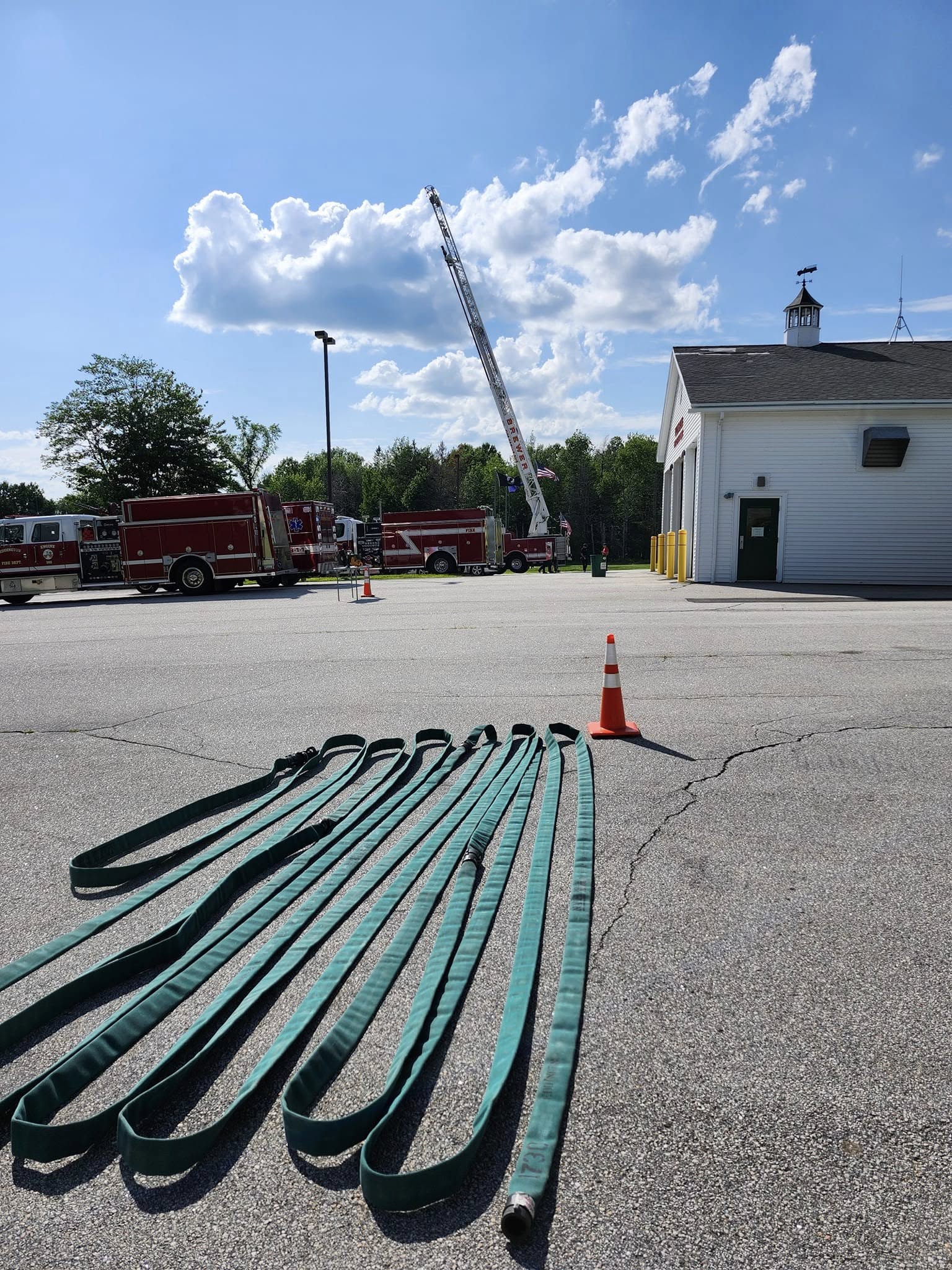
A purpose-built training structure where crews can practice hose advancement, search and rescue, ladder work, ventilation, firefighter survival and coordinated interior operations without waiting for a real structure fire.
Observation & hose careWatch / hose-drying tower
A separate, proposed 80-foot steel tower for observation and a pulley system to dry hose after training. An enclosed upper area is envisioned for small groups of up to ten, with occasional stargazing as a secondary use. Design and capacity require professional review.
Joint scene practiceWestern training town
Exterior town shells planned for mass-casualty scenarios and law enforcement scene clearing. The burn tower is separate; the town does not include interior build-outs.
Feed the crew. Hold the room.Mess hall
A kitchen and gathering place for crew meals, specialty dinners, briefings and time together after training. Movable solid wall panels are planned so partners can adapt the room for exercises and coordination.
Animal disaster readinessAnimal-response arena
A planned shell for animal handling, evacuation and containment practice with responders, volunteers, agricultural partners and veterinary professionals. Interior build-outs are outside the current arena scope.
Music, stories & communityThe stage
The performance and gathering space for the Dust Bowl Ball, live country music, late-night acoustic sets, community events and specialty gatherings—the place the mission becomes something people can feel together.
Headquarters & apparatus bays
Drive-through bays for response equipment, plus classrooms, instructor and report space, gear wash and decontamination, showers and limited overnight quarters for training and extended operations.
Drill grounds & EVOC
Open training ground and an emergency-vehicle-operations course for apparatus placement, driving, rural access, equipment deployment and multi-company exercises.
Aviation & rope rescue
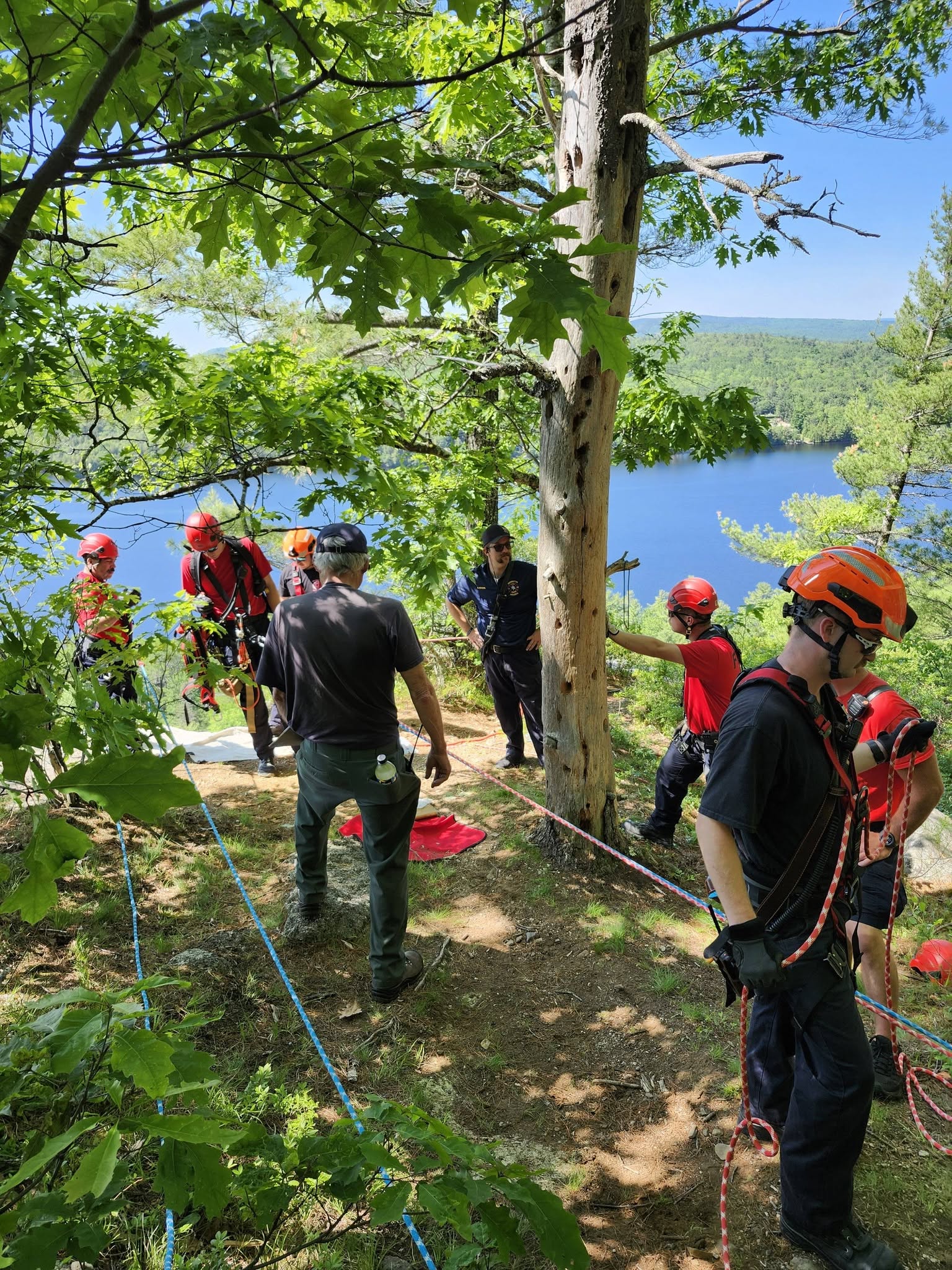
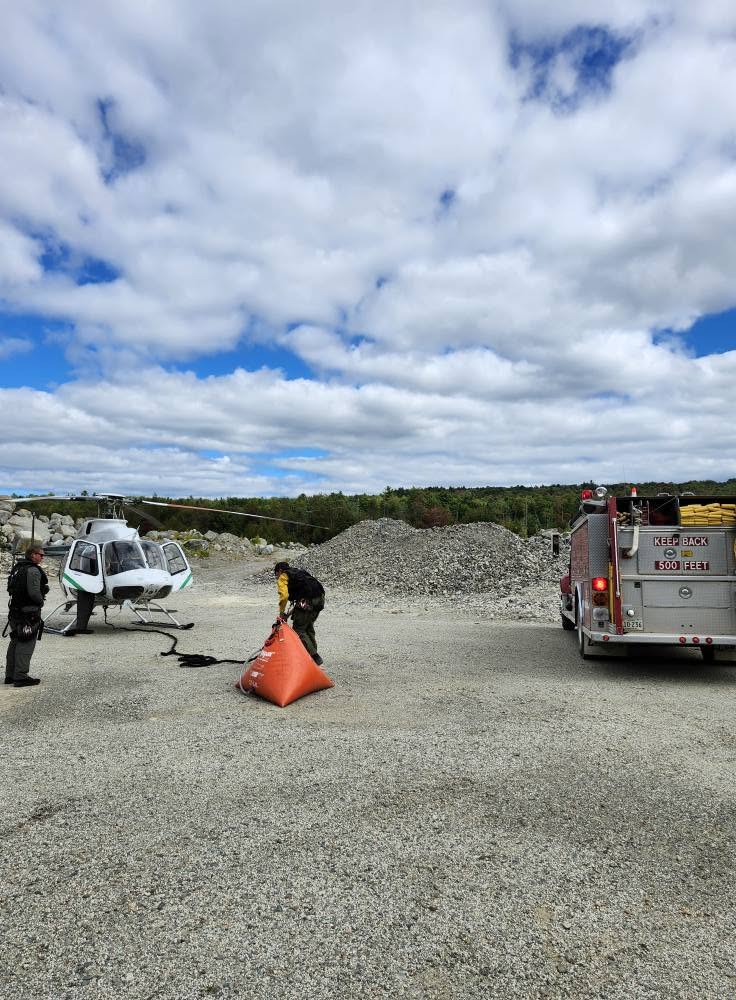
A helicopter landing area and room for rope, terrain and aviation-incident training connect the campus to the realities of rural response.
Stored & reclaimed water
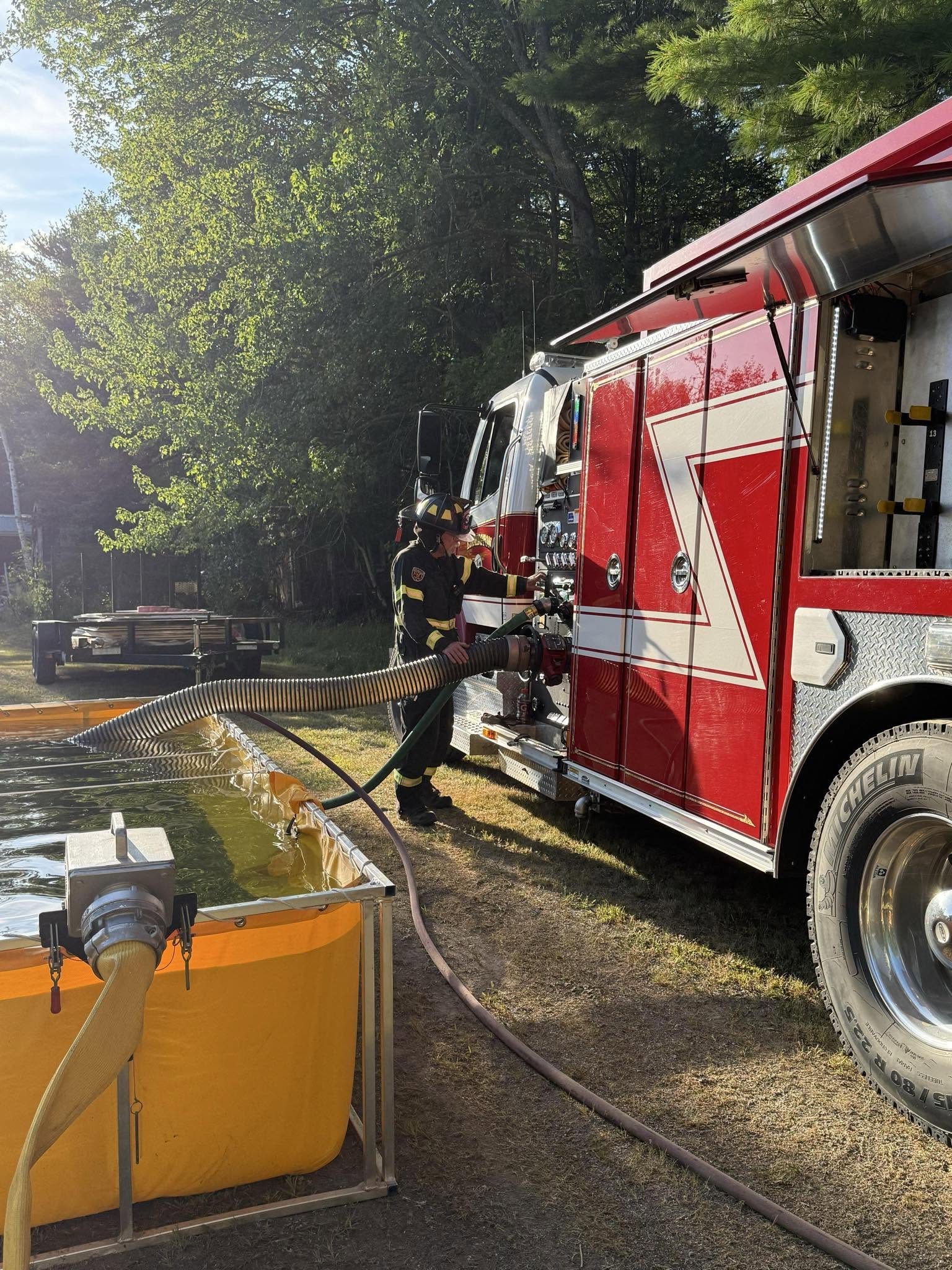
Planned water storage supports rural readiness and repeated drills. Water used in training can be captured, reclaimed and returned for future exercises where appropriate—reducing waste while crews keep building skill.
Campus-wide solar power
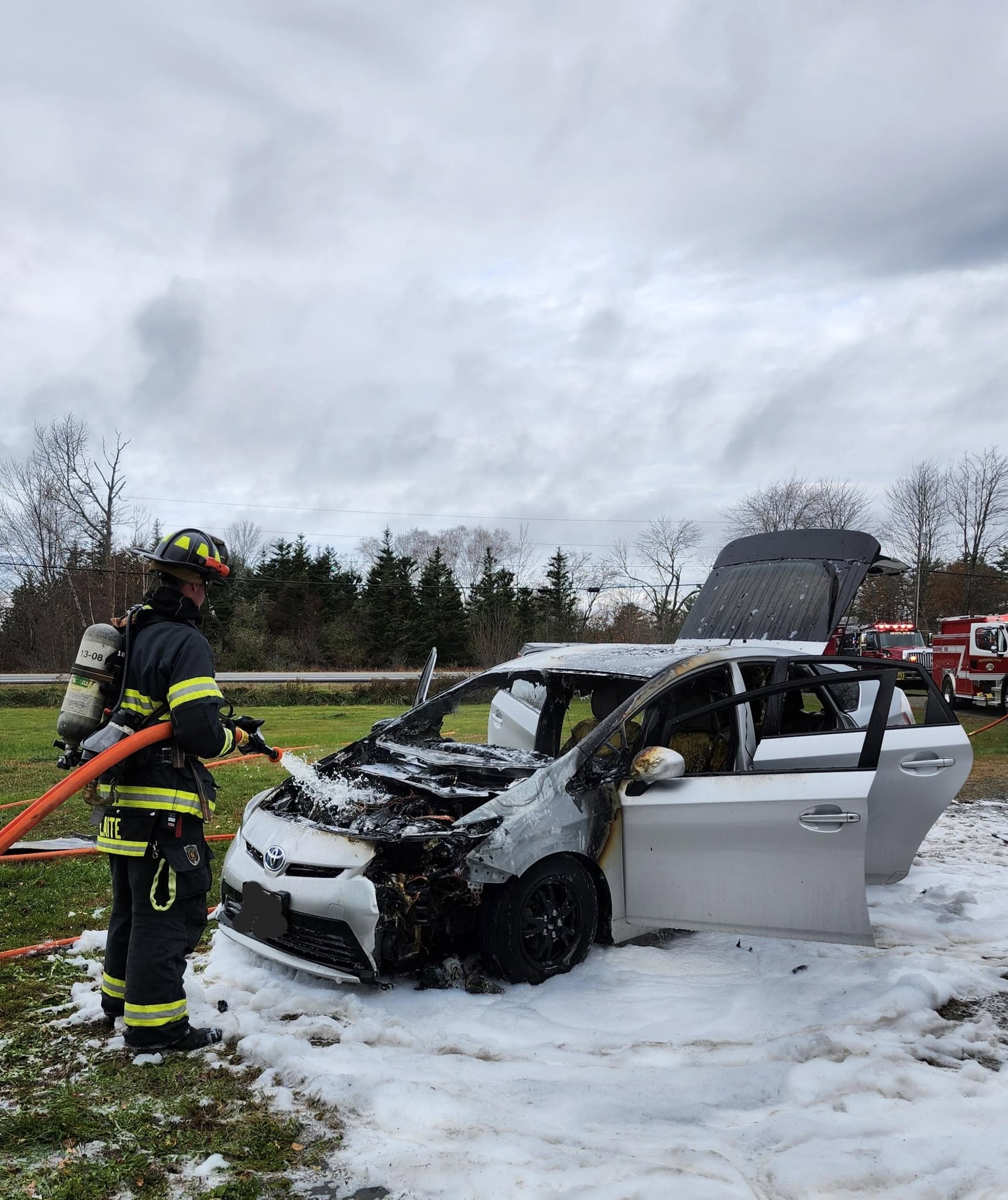
The entire Freedom Farms campus is planned to run on solar power, supported by battery storage and backup capability. That working system also gives responders a place to train on shutdown, isolation, electrical hazards, battery fire behavior and safe emergency access.
Training named in the campus plan
Firefighter I & II skillsHazardous materialsEmergency vehicle operationsIncident commandMass-casualty responseRope rescueWildland readinessSolar & battery hazardsLarge-animal evacuationAviation incident recovery
The campus advances in practical stages. Each operating program, training relationship and confirmed partnership helps the next piece fall into place.