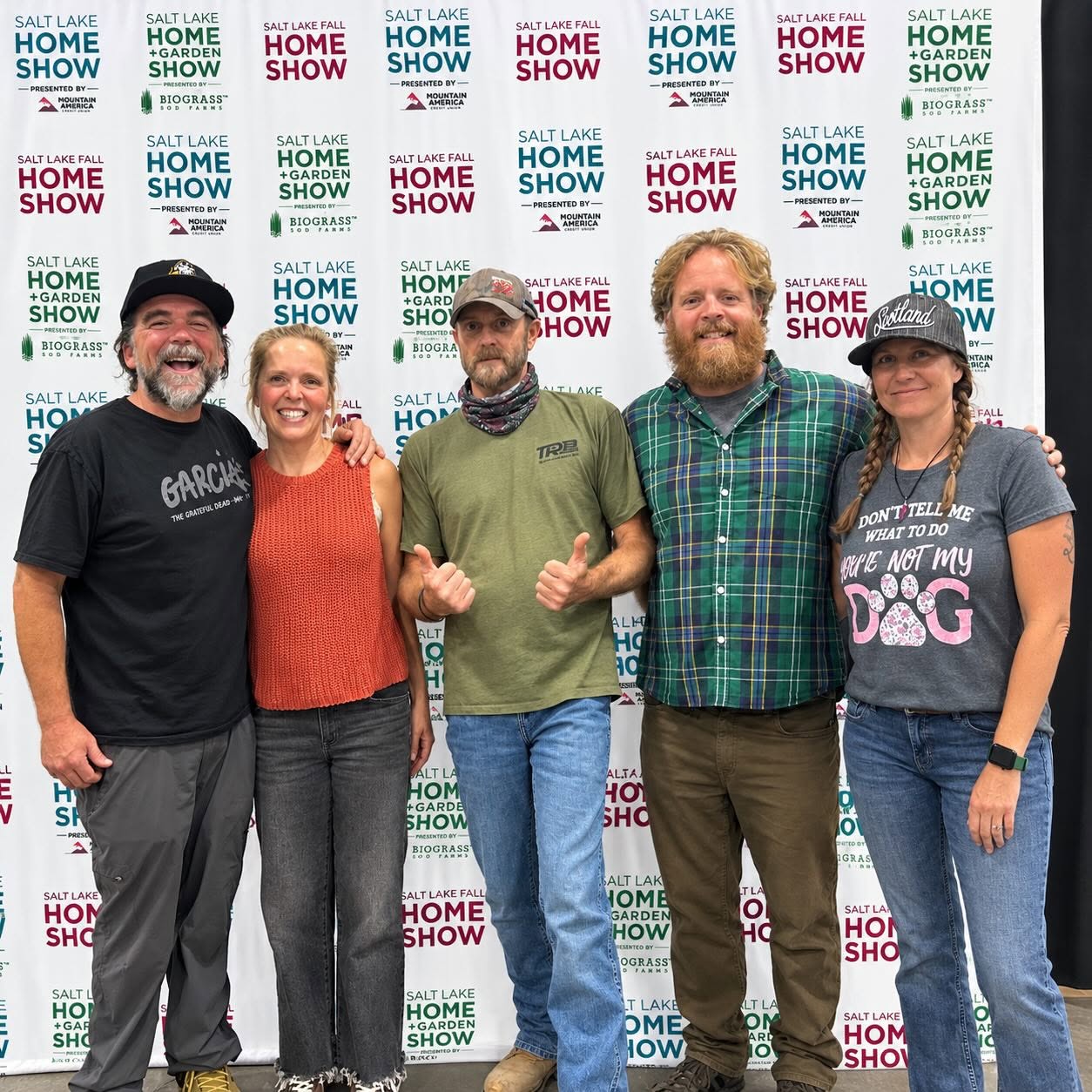
First off, thank you to the powers that be—for the people, the timing, and the reasons to keep moving.
Freedom Farms has my hands in it, but a lot of people have helped put fuel on this fire. Some probably don’t even realize it.
Freedom Farms Emergency Services Foundation is being built around real responsibility. Training, connection, and a place to put your hands to something that matters. We are starting in Utah, with the potential to reach and serve people across the country.
First responders, veterans, families, horses, livestock, agriculture, animal disaster response, skilled trades, and music—there are a lot of hands that can help build this.
I’m putting my time and experience into something I believe in, because I want it to make a difference for the people it’s meant to serve. Freedom Farms is where I’m putting what I’ve learned, and what I’ve been blessed with, to work.
This is grassroots. My goal is private sponsors, donors, business partnerships, donated equipment and materials, and people bringing their skills. Government funding is a backup option.
Share it. Tag your rodeo friends, ranchers, builders, musicians, coworkers, and businesses that might want a hand in this. Word of mouth goes a long way.
These thank-yous are for the time, encouragement, open minds, and introductions along the way.
I know for a fact I’ve missed people. Apparently, remembering everybody and orchestrating this takes more than one construction guy with a vision. 😂 Another reason to have people helping pull it together.
Thank you to everyone helping keep this moving. You’ve already had a hand in this.
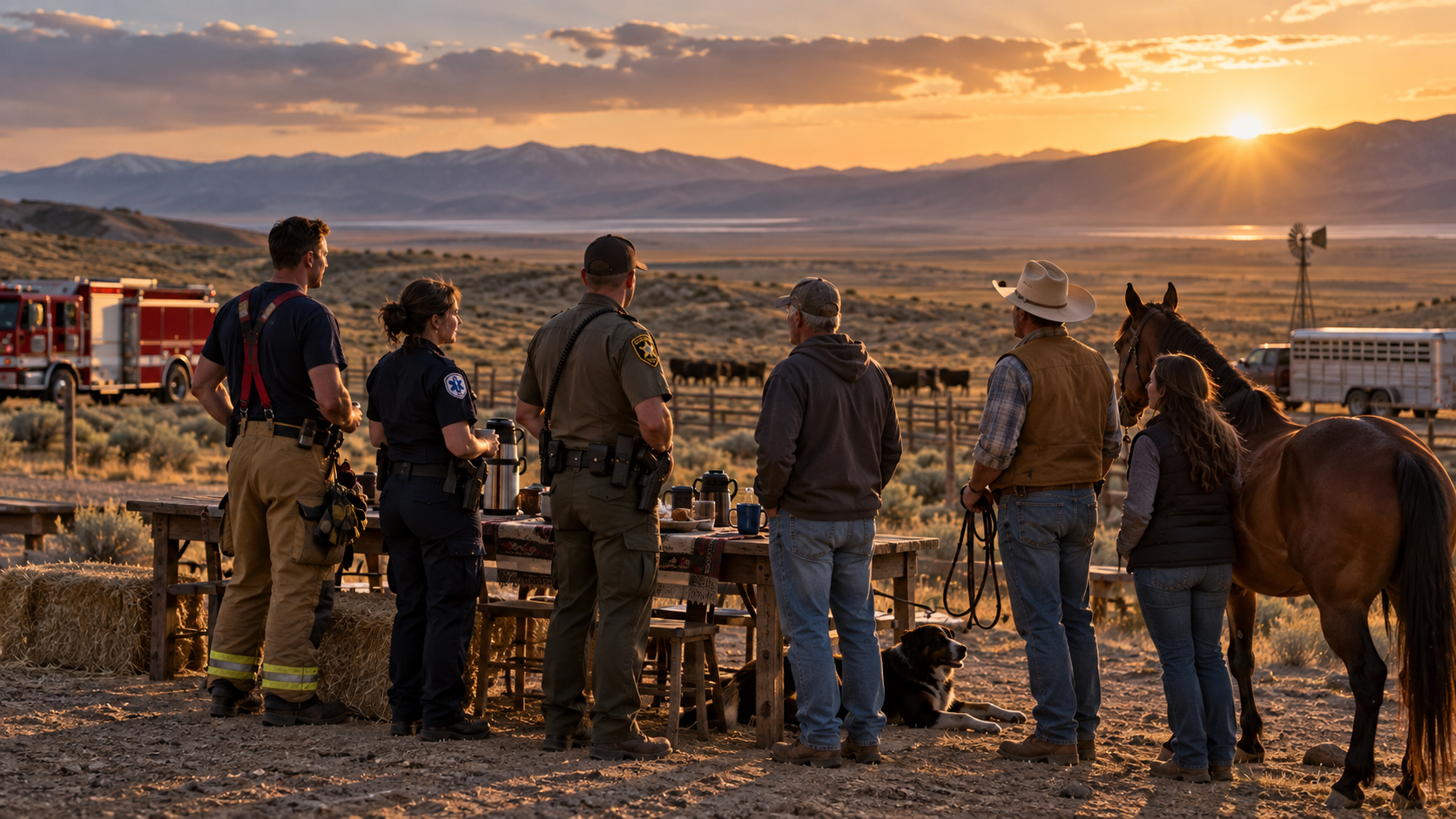
Freedom Farms is developing a Utah campus where responders, veterans, families and rural neighbors can train, care for animals, share a meal and find purpose together. Starting here, with the potential to reach and serve people across the country.
Working land. Useful animals. Real responsibility.
One connected place for emergency training, animal readiness, agriculture and the people who serve our communities. The work begins in Utah, with the potential for national reach as programs and partnerships develop. Explore the aerial vision, then see the working plans behind it.
AI-assisted concept visualization · Proposed campus Final layout follows land, professional design and funded phases.
View full size ↗Freedom Farms / UtahA campus with purpose in every acre.
Train togetherBuild readinessCome back together
01 Our Why · Why we are building this
For those who serve · Built by those who care
They show up for us. We can show up for them.
A community-built place for preparation, purpose, working land and the connections that help people stay well.
Firefighters, EMTs, law enforcement officers, dispatchers, corrections personnel, veterans and their families carry more than most people see. Rural communities and animals face emergencies that demand preparation before help arrives.
Freedom Farms brings people with different skills to the same table. Agencies shape training. Farmers and animal professionals strengthen readiness. Builders make the place real. Neighbors make sure those who serve have somewhere to belong.
01 · The roots
Service taught us to show up.
Freedom Farms grows from generations of police, military and fire service in our family, my own volunteer and paid-call firefighting and EMT experience, and thirty years in construction. The lessons are practical: prepare, do the work and take care of the people beside you.
What started as a father and son's conversation about a place for firefighters, EMTs, veterans and families grew into something the wider community can build together: practical training, room to reset and useful work that gives people a reason to return.
03 · The reason grew
The losses changed the scale of the mission.
Multiple firefighters in our mutual-aid community died by suicide, including a chief who had served that community across generations. Those losses made the need unmistakable. We want to help people prepare before the call, stand beside communities during it and give responders, veterans and families a real way back to connection afterward.
04 · One connected system
Everything here has a reason.
Emergency training builds readiness. FFEART gives animals a way out. Agriculture, construction and skilled work create purpose. Shared meals, animals, music and useful responsibility build connection before isolation takes hold. The hope is that this everyday support helps fewer people reach a point where they need the Hot Spot for decompression. Veterans and young people find meaningful ways to contribute. Together, this is Freedom Farms—proactive care woven into daily life.
05 · Built to be remembered
Serious mission. A place that feels alive.
Freedom Farms should be a place people look forward to coming back to—hands-on training, horses and livestock, the Western training town, meals in the mess hall, specialty dinners, live music, the stage and the Dust Bowl Ball under the Utah sky. People learn better, reconnect easier and build lasting relationships when the experience gives them something worth remembering.
We can build the place they have needed, together.
Freedom Farms · A community mission
The person behind the paint
Meet Tag-Along.
A family tradition. A little mischief. A reason to smile.
Jeff ClarkTag-Along
From Jeff’s 2018 clown card
Card created by Chris Connors · Connor Designs. Portrait photograph by Sasha Stecher.
Clowning runs in the family: Jeff’s grandfather, his brother and Jeff himself.
Tag-Along is part of that story. Behind the makeup is the same wish to help somebody have a better day—through a little laughter, a conversation and a good memory to take home.
A belief carried forward
Faith. Hope. Charity.
This belief isn’t new. It was printed on Jeff’s card in 2018, years before Freedom Farms. The mission carries those same values forward.
Faith makes our path a little clearer,Hope makes our lives a little brighter,Charity makes our hearts a little softer.
Not four separate ideas. One working system built around the people, animals and communities that cannot afford to wait until disaster arrives.
01
Train before it is real
Fire, EMS, law enforcement and wildland agencies training together to build judgment, repetition and trust before the call comes.
02
Leave no animal behind
Evacuation, containment, sheltering and reunification capability built for livestock, equines and companion animals.
03
Carry the people who carry us
Regular connection, useful work and shared experiences for responders, dispatchers, veterans and families—building support early, before stress becomes isolation.
04
Turn service into purpose
Hands-on paths through agriculture, construction, equipment, skilled trades, mentoring and public service.
Responder & veteran support
The Hot Spot
Where the sirens go quiet.
The goal starts long before a breaking point. Across Freedom Farms, useful work, animals, training, shared meals and belonging are meant to build connection early. Our hope is that this everyday foundation helps fewer people reach a crisis or need the Hot Spot for decompression later. The Hot Spot remains an outdoor gathering place for responders, dispatchers, veterans, emergency workers and families to connect, step away from the noise and be around people who understand.
No performance. No pressure. No explanation owed.
01
Someone gets it
Sit with people who understand the weight without demanding every detail.
02
A seat at the table
Specialty dinners make one good meal and one shared table the reason to arrive, slow down and reconnect.
03
Space to breathe
Animals, land, useful work and quiet away from alarms, fluorescent rooms and the pressure to say you are fine.
For those who served
Leaving the shift or leaving the military does not always mean leaving the weight behind. The Hot Spot is meant to offer connection, useful work and a place to belong without turning people into a diagnosis.
Proactive, not reactive. Connection before crisis.
The Hot Spot is a peer-support and resiliency program in development, not clinical treatment.
03 Why “Farms” is in the name
Agriculture is part of the operating plan
The farm is not scenery. It makes the mission work.
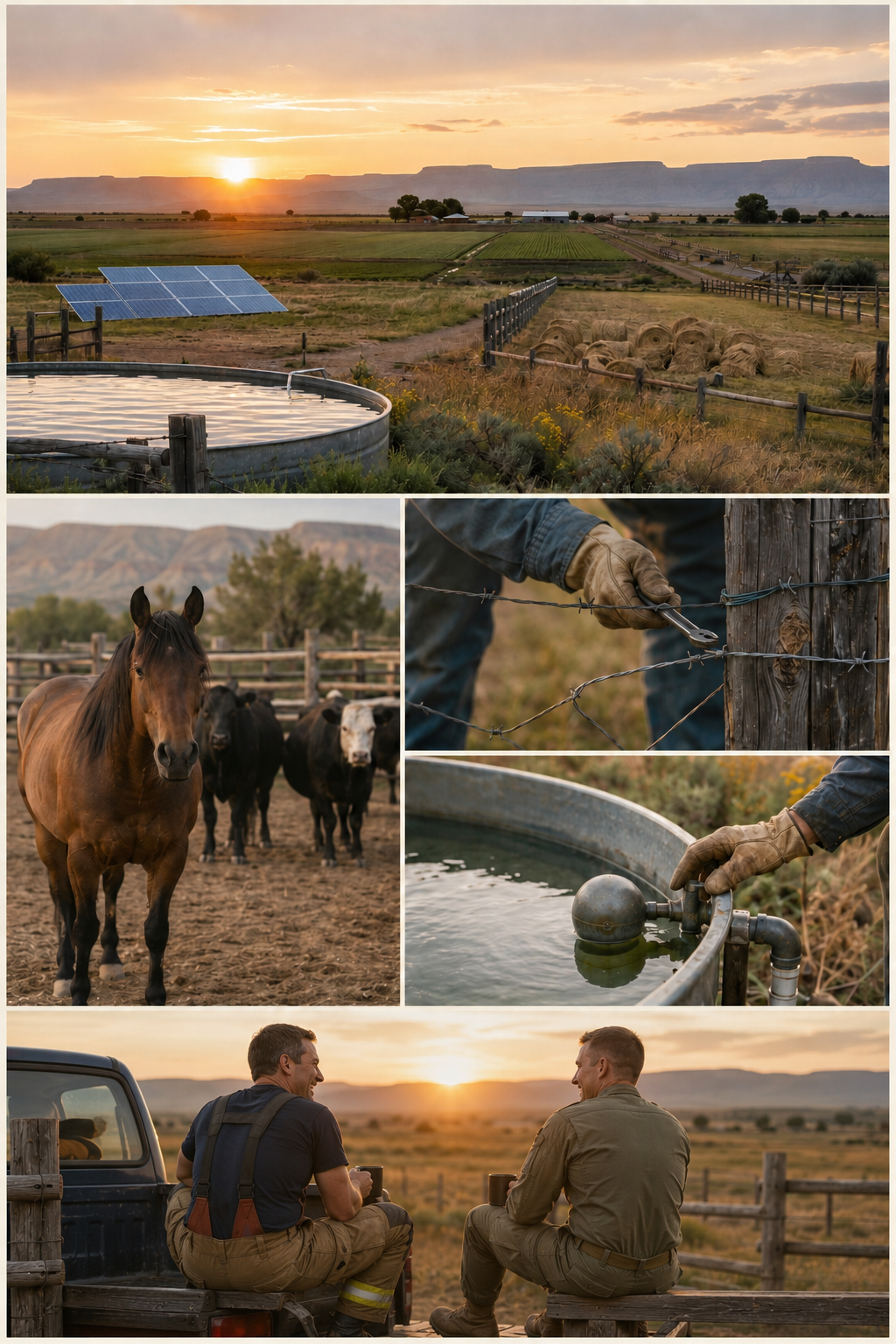
Land, livestock, hay, stored water, reclaimed training water, equipment and capable hands belong in the same readiness system as fire training, animal evacuation and responder support.
In development: The farm is not yet ready to operate. We are seeking the resources, equipment and partners to establish working agriculture and support future activities for responders, veterans and families. Supervised equine connection is a separate part of the developing mission. Clinical equine services will be developed separately with licensed professionals.
For Jeff, a horse helped teach patience—a personal lesson behind the place animals have in this mission.
01
Land that serves
Agricultural stewardship, farm safety, planned water storage, reclaimed training water, drought resilience and fire-mitigation work strengthen the ground before an emergency.
02
Livestock readiness
Planned hay and feed, panels, troughs, animal-handling equipment and staging space support evacuation, temporary containment and practical training.
03
Skills with purpose
Agriculture, equipment, construction and rural systems create hands-on exposure and mentoring paths for veterans, young people and future workers.
04
Connection around the table
The culture of the farm carries into crew meals, specialty dinners and community gatherings—work first, then food, conversation and a reason to stay.
Working land. Useful animals. Real responsibility.Agriculture connects readiness, recovery and rural life.
Jeff, Erica & the horses
The connection behind the mission.
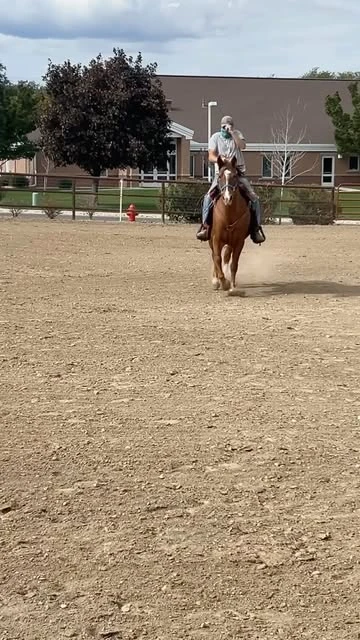
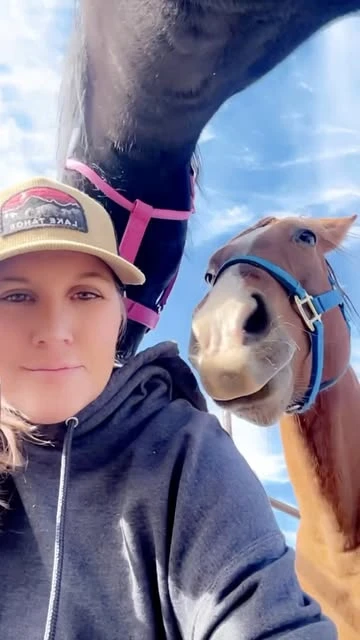
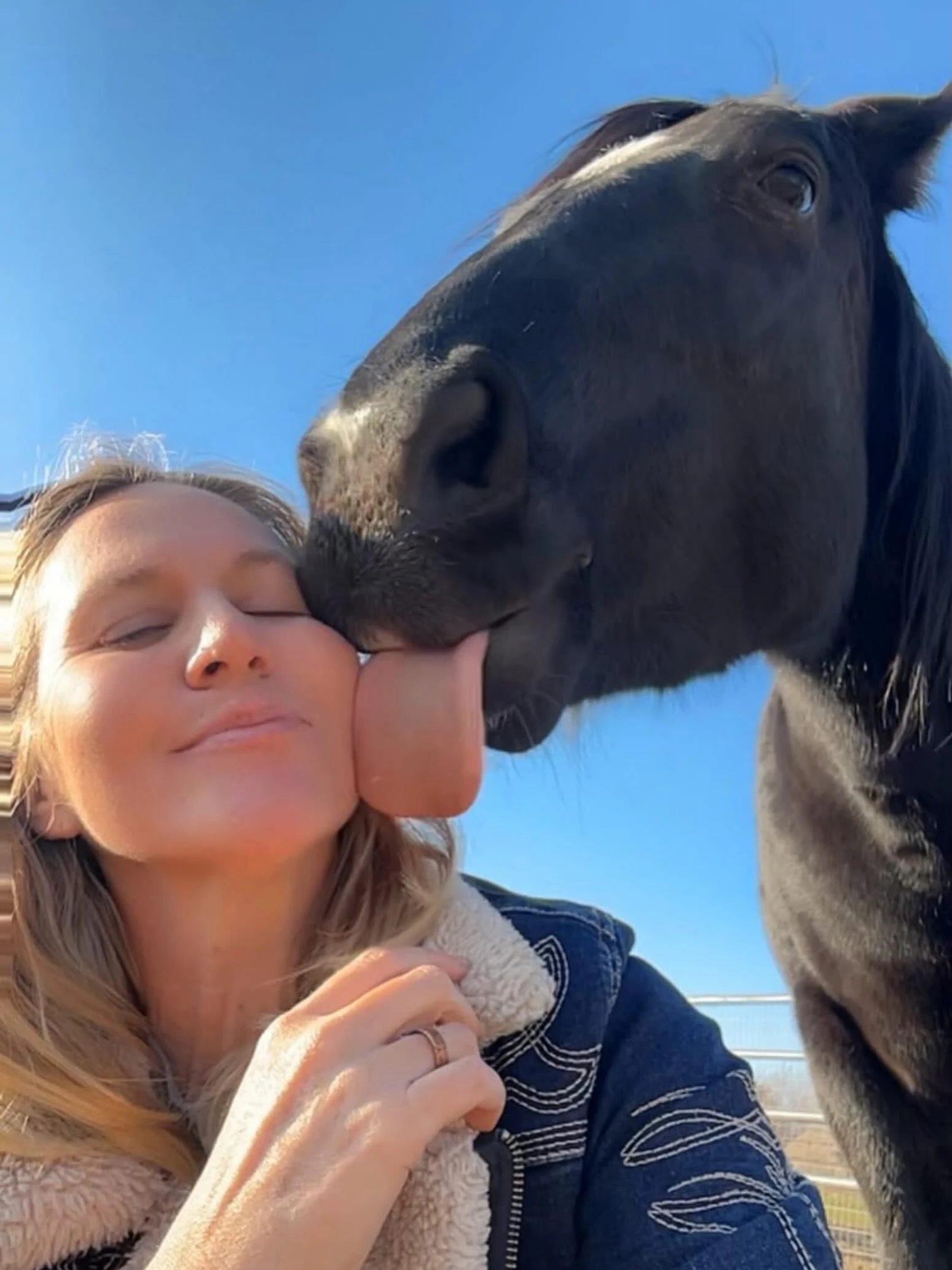
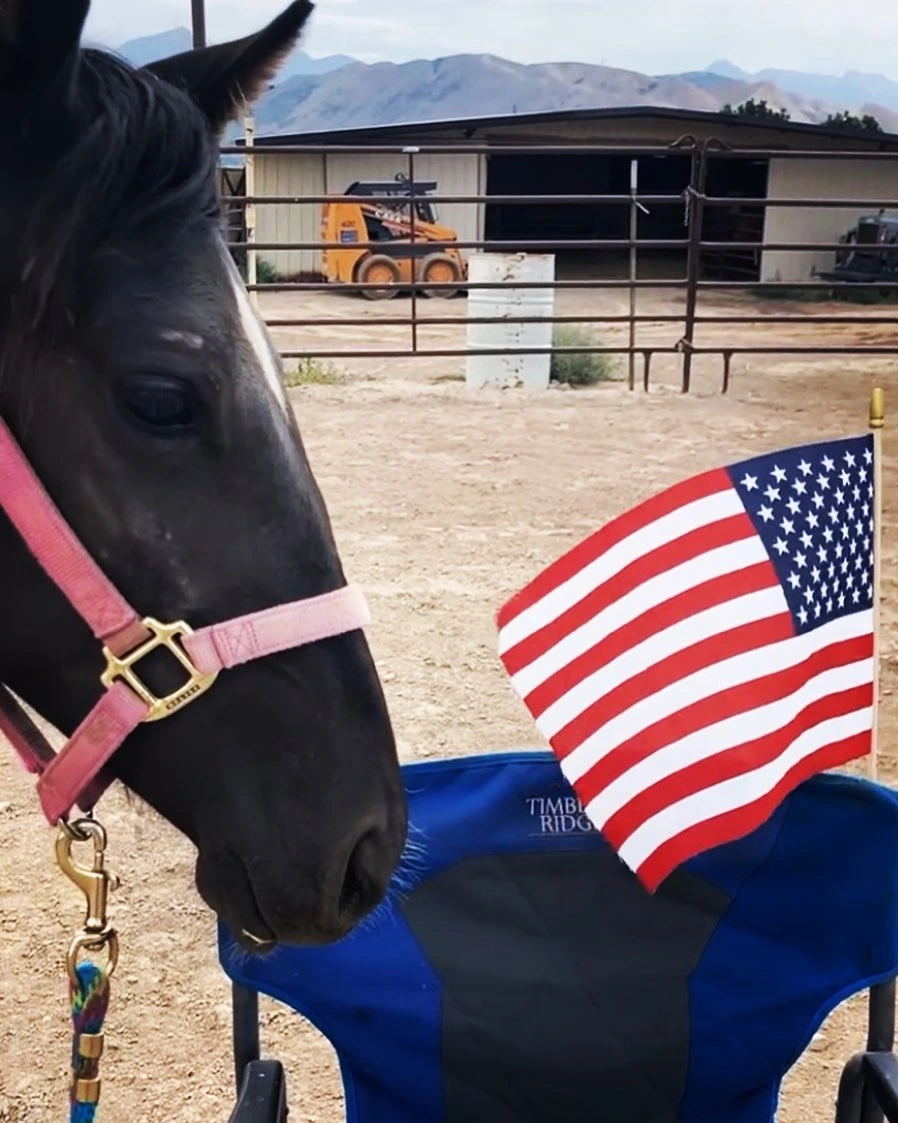
Time with Jagger and Journey is part of our everyday life. These personal moments help explain why patience, care and connection with animals matter to Freedom Farms.
Photos and videos by Erica Dawson Clark · @utahcowgirl78. Instagram may require sign-in. These are personal horse moments, not clinical services or program sessions.
The bonds we carry forward
Family, loyalty & new beginnings.
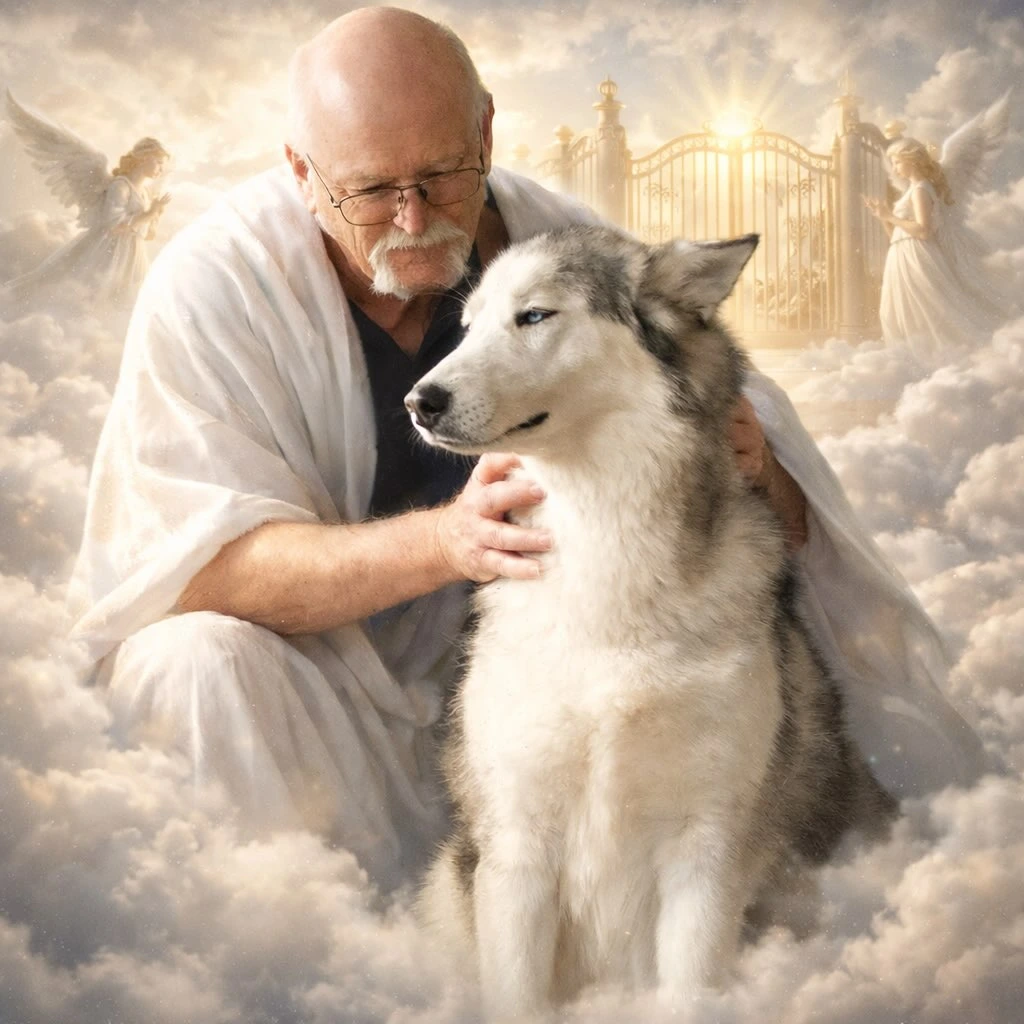
Dad & King Tuk
In loving memory of Jeff’s dad and his beloved King Tuk. Family, loyalty and love—always part of the Freedom Farms story.
Journey came into Erica’s life as she faced losing Ledoux. Before they parted, Erica watched the two horses nuzzle—a moment she holds close. Journey’s name fit from the beginning: honoring Ledoux while making new memories together.
Animals cannot evacuate themselves. FFEART is the portable, incident-command-compatible resource being built to help agencies move, contain, shelter, identify and reunite them when disaster strikes.
The work in the field
Equine, livestock and companion-animal evacuation support
Temporary containment and emergency sheltering
Identification, accountability and owner reunification
Water, power, lighting, communications and sanitation
Veterinary and agency coordination under incident command
Volunteer training, tabletop exercises and practical drills
First service focusTooele CountyRegional reach grows with training, agreements and capacity.
Already moving
Ready to begin. Preparing before the emergency.
ART can begin preparedness work now while the permanent campus develops. Fall fire-season preparation gives that work an immediate focus: animal-owner evacuation information, transport and temporary-care planning, and relationships with agencies, veterinarians, haulers and agricultural partners.
Coordination has started with Utah animal-disaster officials and with veterinary, equine, agricultural, emergency-management, supplier and first-response contacts. Field response capacity grows with trained personnel, equipment and agency coordination. Funding and practical support can move the first work forward now.
05 The permanent vision
A Mountain West place to train together.
A proposed host campus for coordinated fire, EMS, law enforcement and rural-readiness training, with meals, overnight stays, working land and room to reconnect.
Freedom Farms provides the place and logistics. Qualified agencies and education providers bring their programs and retain their curriculum, instructors, prerequisites, standards and certification authority. The campus is designed to complement existing training resources and make longer, multi-agency training stays practical.
From the planning board
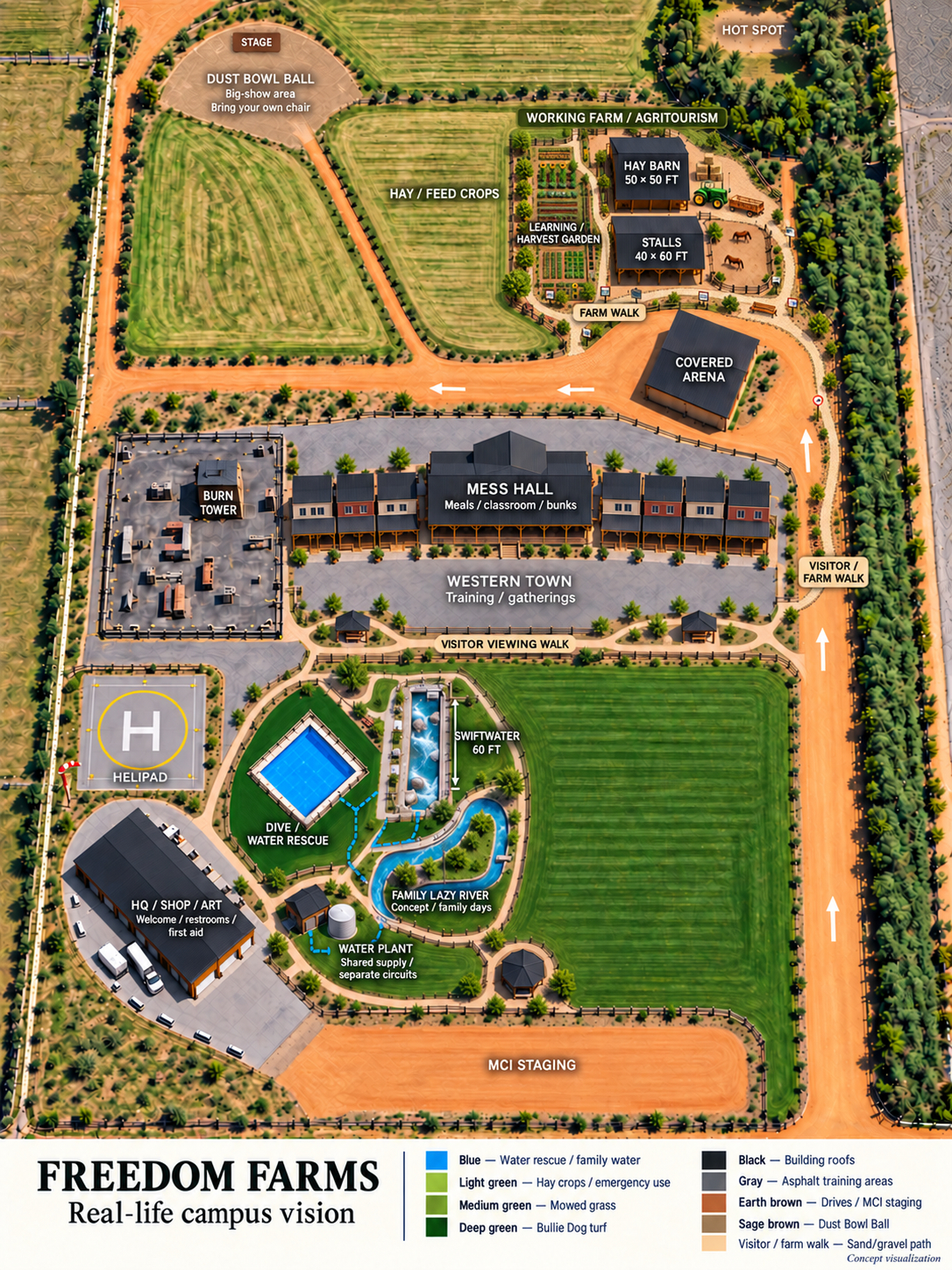
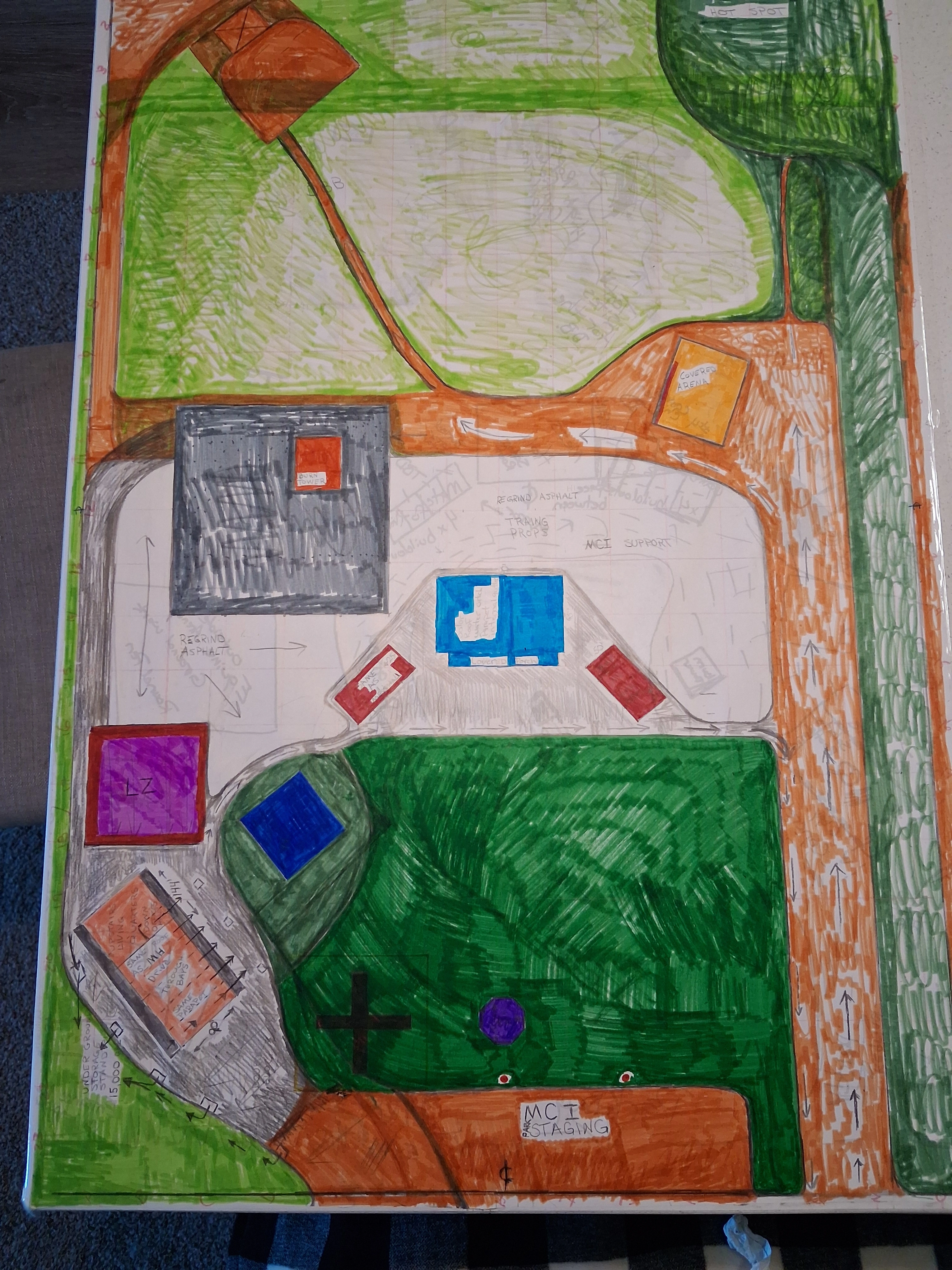
The layout behind the vision.
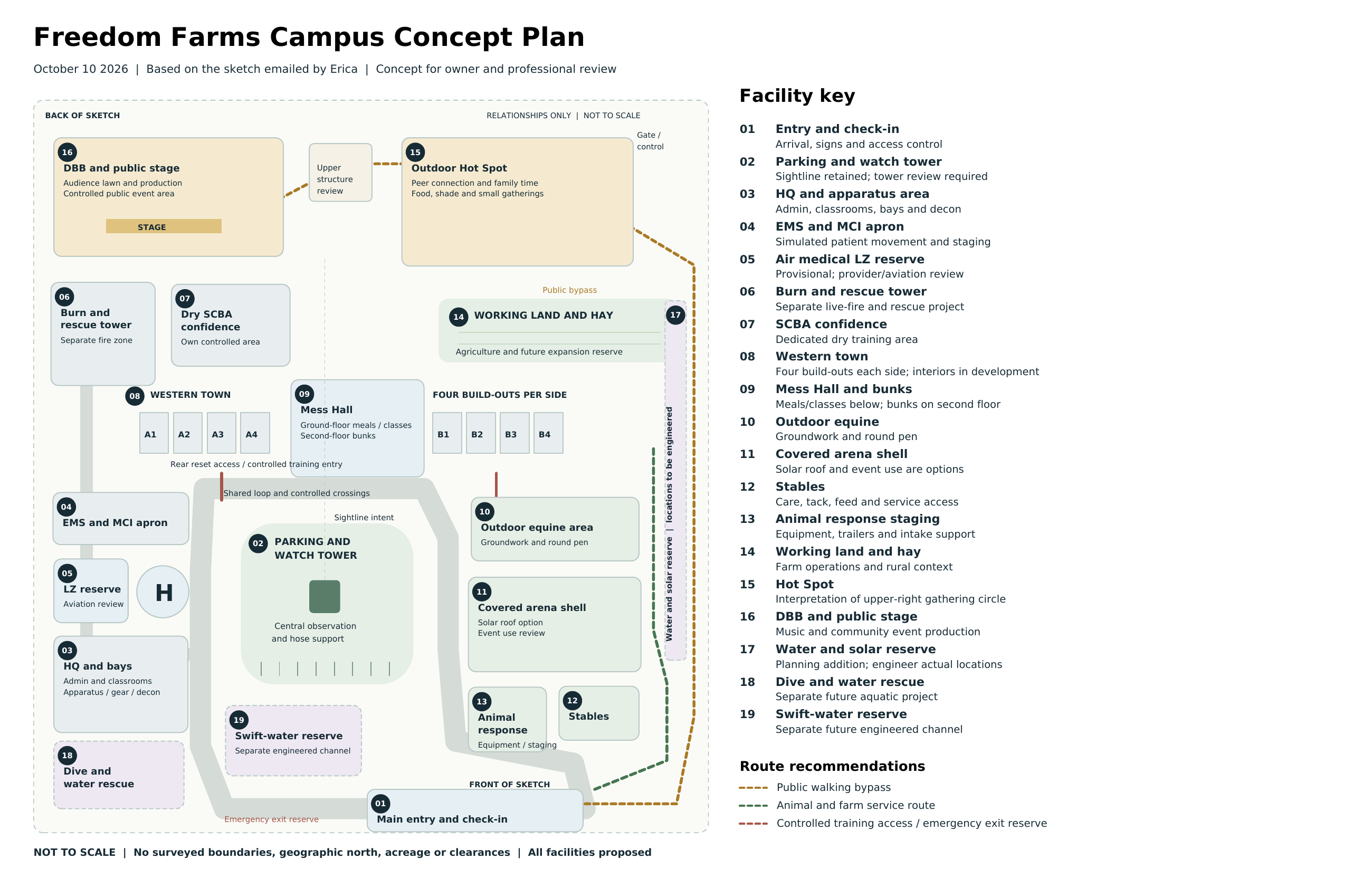
Jeff built this working layout by hand. It brings the training town and Mess Hall, command and staging, covered arena, animal areas and outdoor Hot Spot into one connected plan.
The companion vision board brings the layout to life, including the working farm, agritourism, visitor viewing walk and aquatic training concept.
The plan starts in Utah, with the potential for national reach through visiting participants, shared learning and future partnerships. Broader reach will depend on the results, capacity and relationships we build here.
The building-size reference sets out proposed footprints for the town wings, Mess Hall, HQ, arena and other campus pieces.
Controlled town interiors and changeable build-outs for mass-casualty incidents, simulated patient movement, law enforcement scene clearing and joint command. The current concept places four modules on each side of the Mess Hall, with service access for scenario resets.
Meals, learning & training stays
Mess Hall & upstairs bunks
Kitchen, crew meals, briefings and flexible classrooms on the ground floor. Movable solid acoustic partitions adapt the space to the day’s work. Second-floor bunks are the normal training-stay concept, with capacity and occupancy established through design review.
Equipment & instructor support
HQ & apparatus area
Drive-through apparatus bays, administration, classrooms, instructor preparation and equipment support. Gear handling, decontamination and vehicle movement are arranged separately from clean learning, food and sleeping areas.
Patient movement & staging
EMS & MCI apron
A planned working area linked to the training town for patient collection, ambulance access, incident coordination and supervised mass-casualty exercises.
Working animals & rural readiness
Arena, stables & animal staging
A covered arena shell, outdoor equine areas, stables and animal-response staging connect horse care, farm work and evacuation readiness. Veterinary and qualified animal professionals help shape the operating requirements.
Peer connection & family time
The outdoor Hot Spot
Food, shade, quiet conversation, specialty dinners and small gatherings give people a place to regroup. Working land, hay and agriculture keep useful responsibility at the center of daily campus life.
Separate specialty phases
Each area has its own purpose.
Specialty facilities progress as their design, funding and qualified operating teams are ready.
Burn & rescue tower
A purpose-designed live-fire and technical-rescue facility in its own controlled zone, separate from the town and sleeping areas. Qualified training providers shape the facility and exercises.
Confidence course & high ropes
A planned confidence-course area also includes high ropes for supervised skills, teamwork and technical-rescue practice, shaped by qualified instructors and professional design.
Dry SCBA confidence
A dedicated dry area for self-contained breathing apparatus confidence and search skills, with controlled props, instructor observation and rapid access.
Air & ground coordination
A landing-zone reserve, ambulance routes and patient-transfer space for provider-led aviation and medical coordination. Exercise participation and aircraft arrangements are established with the responsible agencies.
Watch & hose-drying tower
A separate 80-foot steel tower concept with an enclosed glass observation area, hose-drying support and a small-group target. Its structure, access and permitted capacity will be set through professional review.
Dive & water rescue
A separate future aquatic training area for dive and water-rescue programs led by qualified specialists. Its water systems, access and operating requirements are developed as their own project.
Engineered swift-water channel
A separate future channel and support systems for moving-water rescue practice. Specialist engineering and a sustainable water and energy plan guide this phase.
Water & solar make the place work.
Stored water, appropriate reclaimed-water systems, solar, batteries and backup capability form part of the infrastructure plan. The goal is campus-wide solar power, with resilient systems that also support practical training.
Training stays start with the bunks.
Mess Hall bunks are the normal overnight plan. Temporary tent camping is reserved for Dust Bowl Ball or a separately approved large event.
All mapped facilities are proposed. Land arrangements and federal tax-exemption work remain underway; opening dates follow funded, approved phases. Help shape a useful piece of the campus ↗
06 The experience behind the plan
Designed by experience. Not imagination.
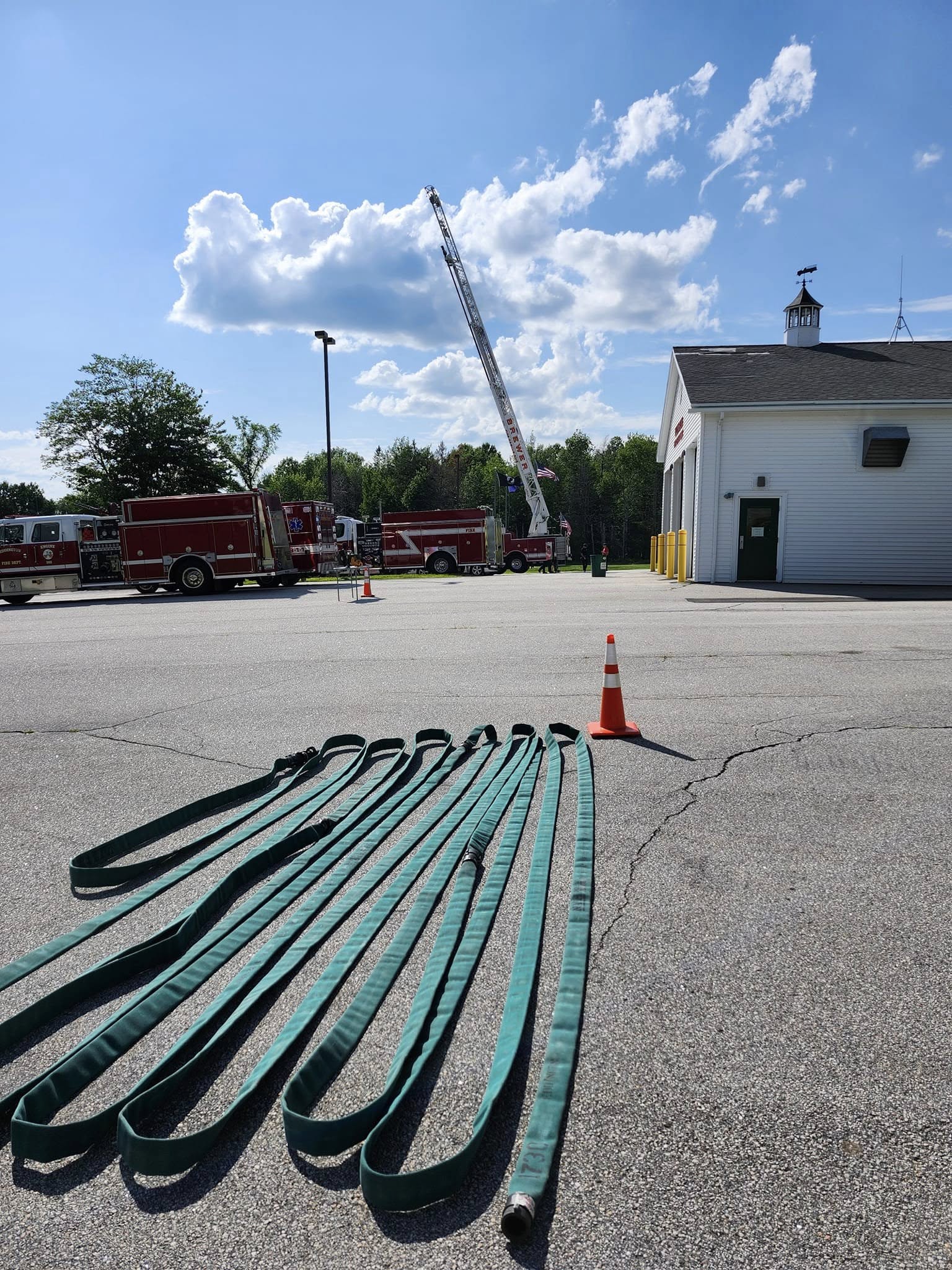
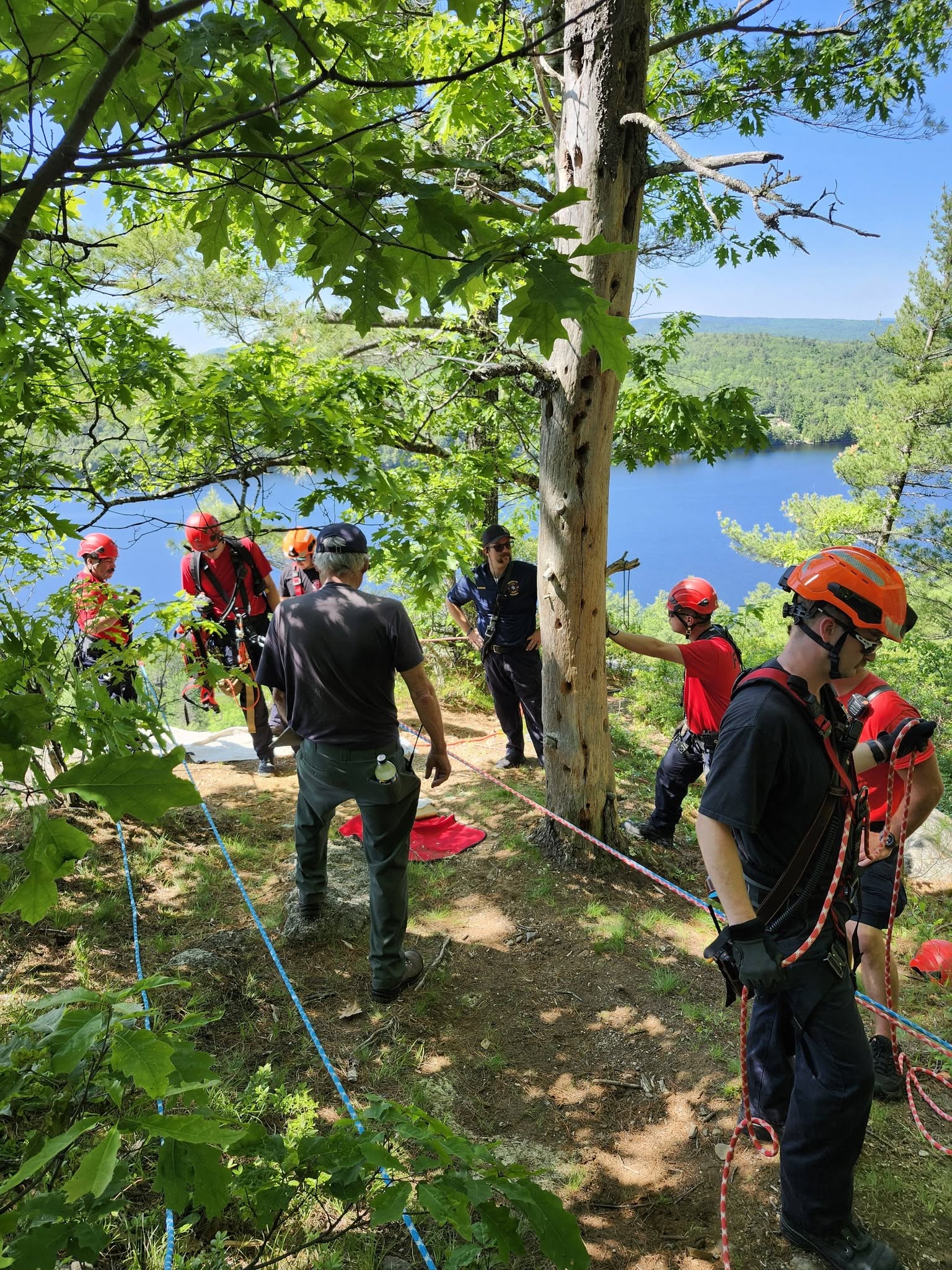
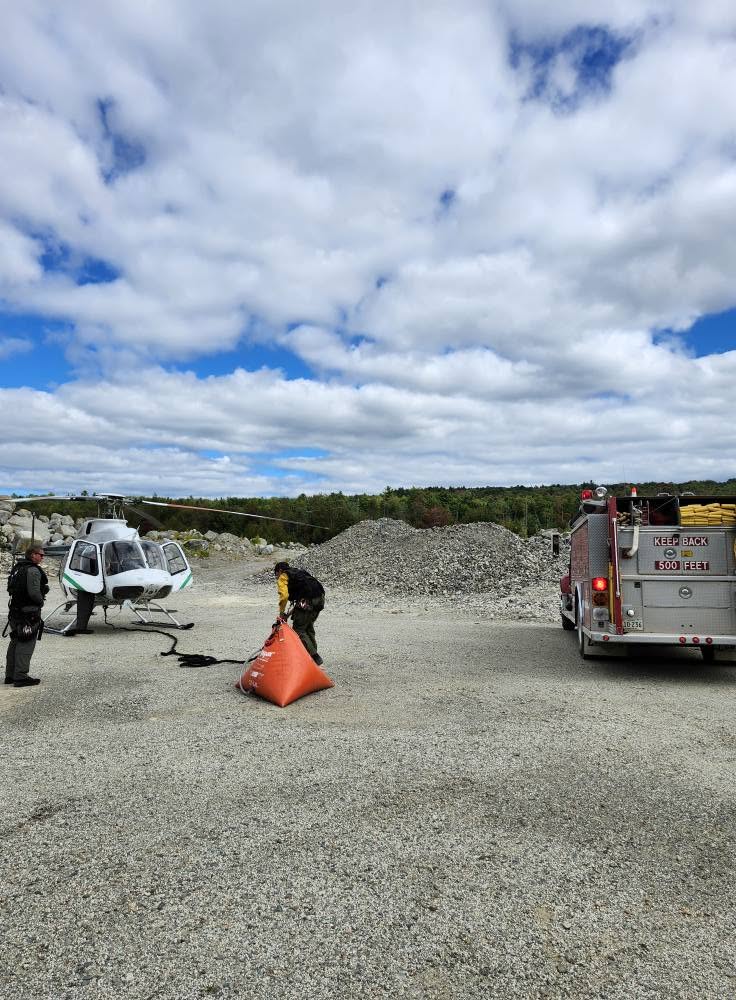
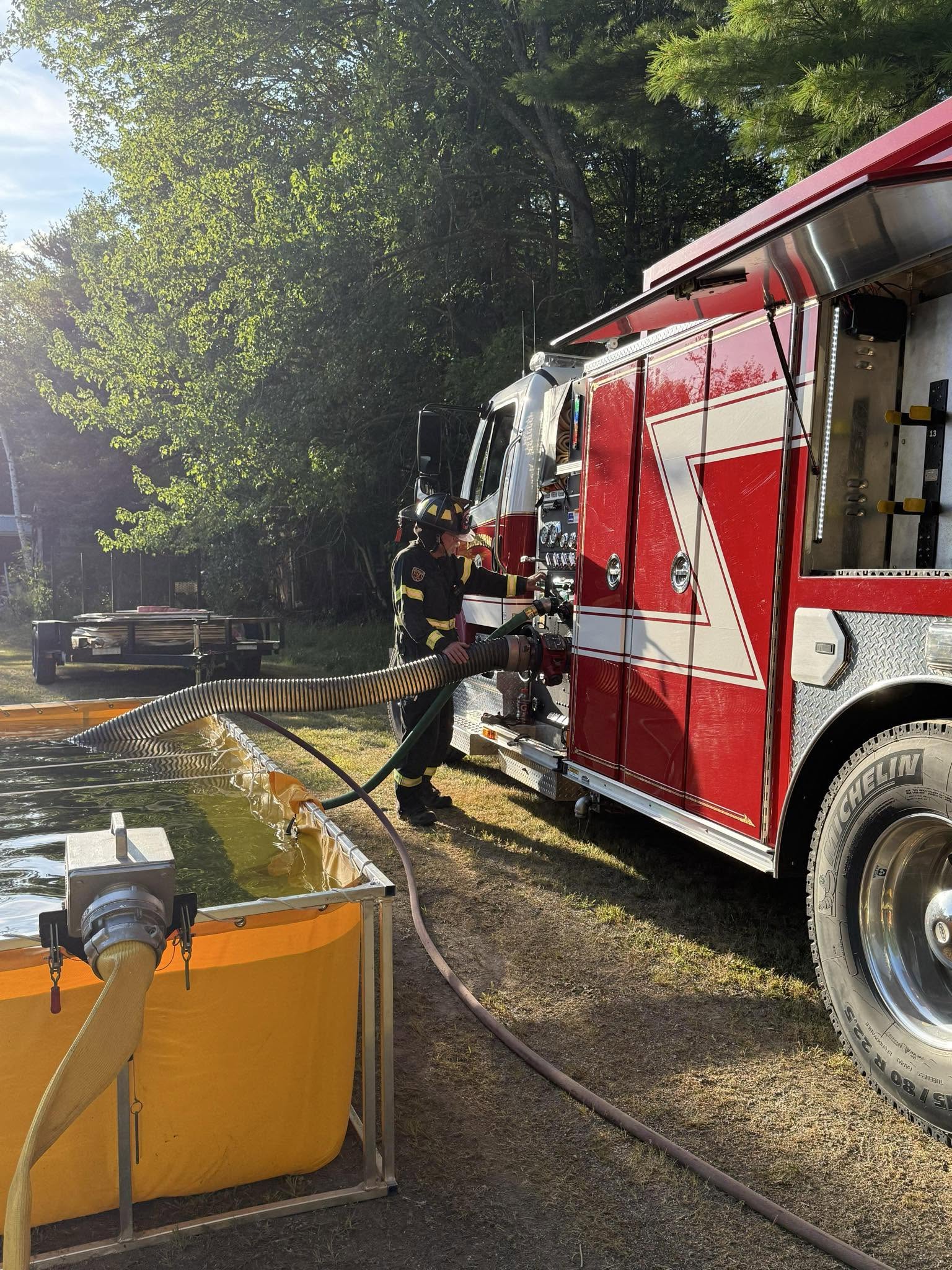
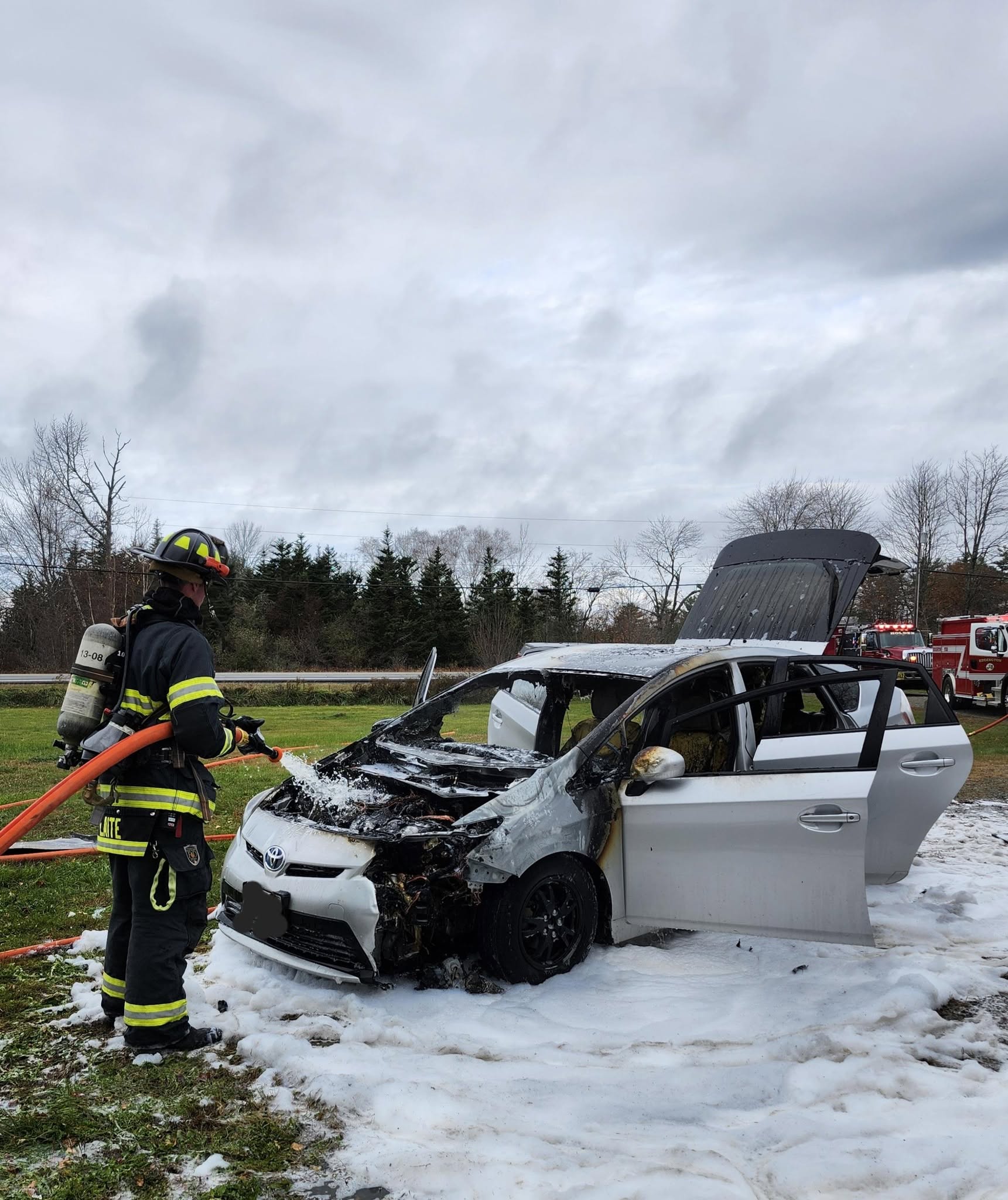
The campus plan grows from real fireground training, apparatus work, rural water supply, aviation coordination and rope-rescue experience.
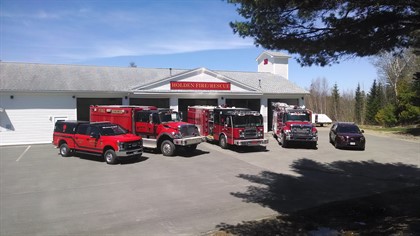
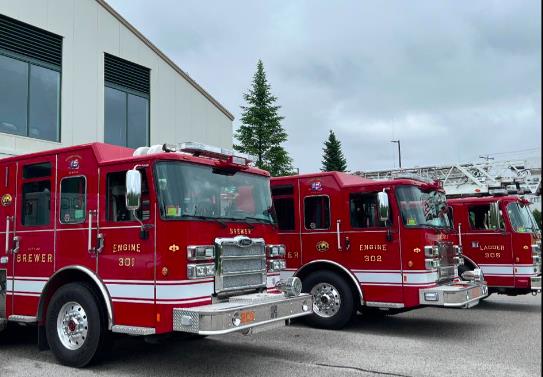
Hose, apparatus and coordinated crew operationsPhoto source: Eddington Maine Fire DepartmentAviation incident coordinationPhoto source: Eddington Maine Fire DepartmentRural water supply and sustained operationsPhoto source: Eddington Maine Fire DepartmentRope rescue in real terrainPhoto source: Eddington Maine Fire DepartmentVehicle-fire response and scene safetyPhoto source: Eddington Maine Fire DepartmentHolden Fire/Rescue, MainePhoto source: Town of HoldenBrewer Fire Department, MainePhoto source: Maine Department of Education · Brewer ELO report, p. 47
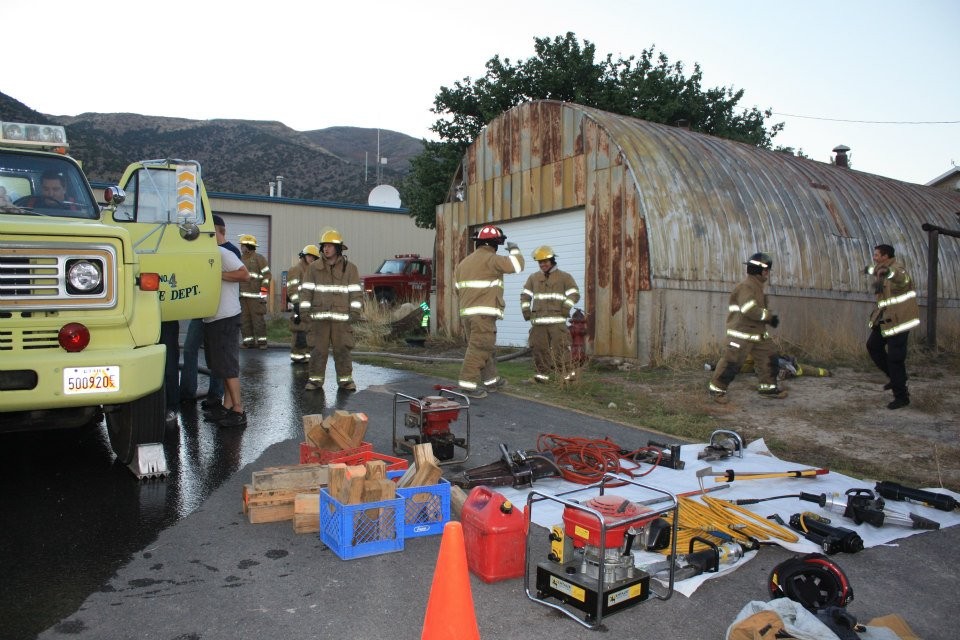
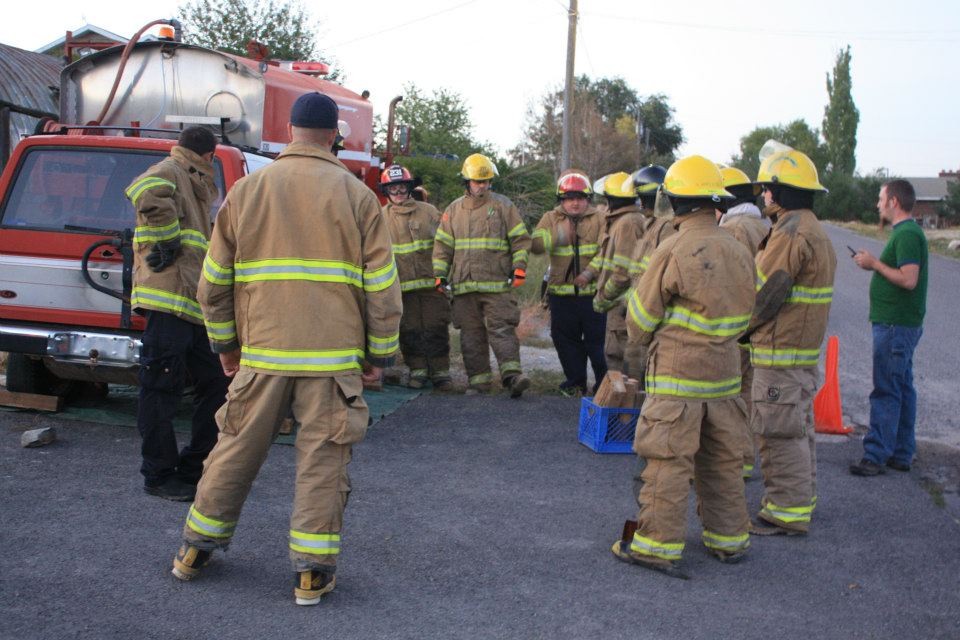
Cedar Fort Fire · Training together
Preparing together for the next emergency.
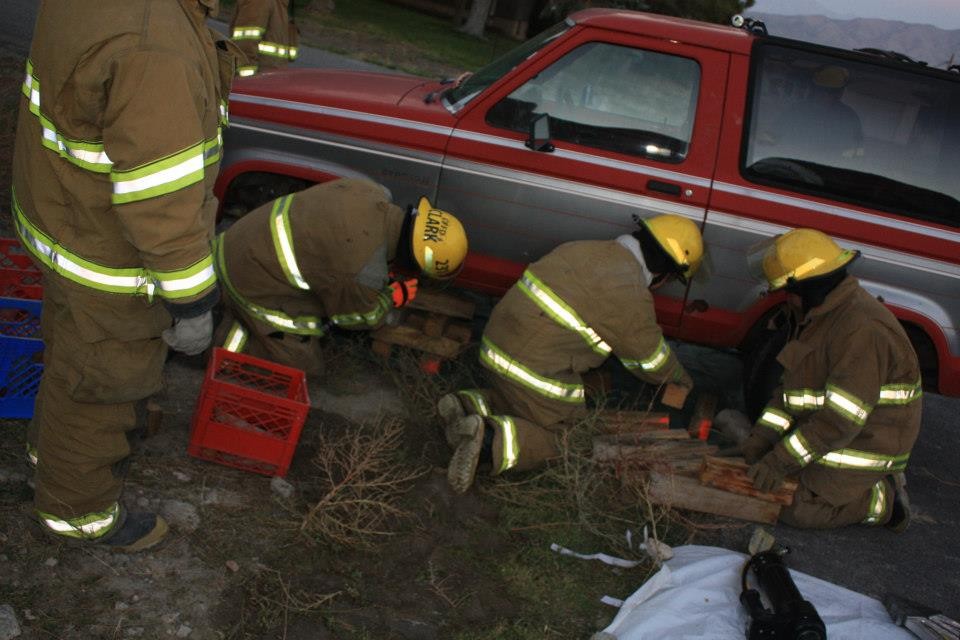
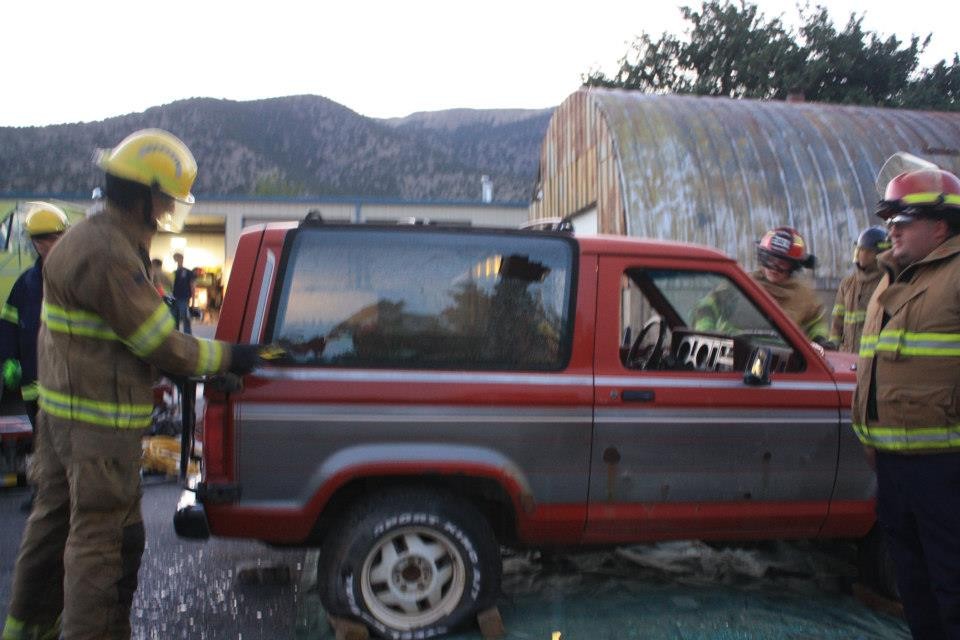
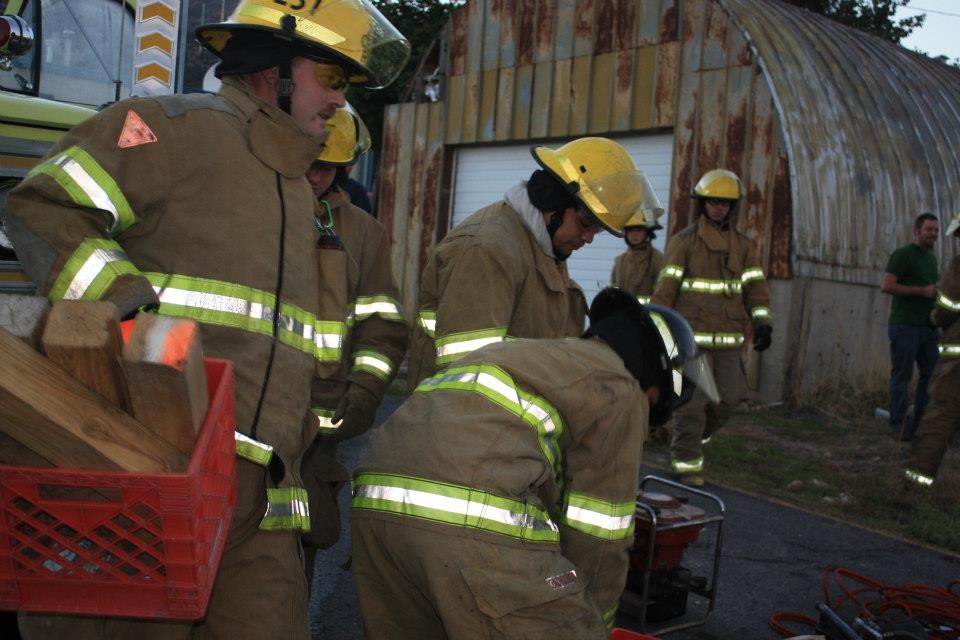
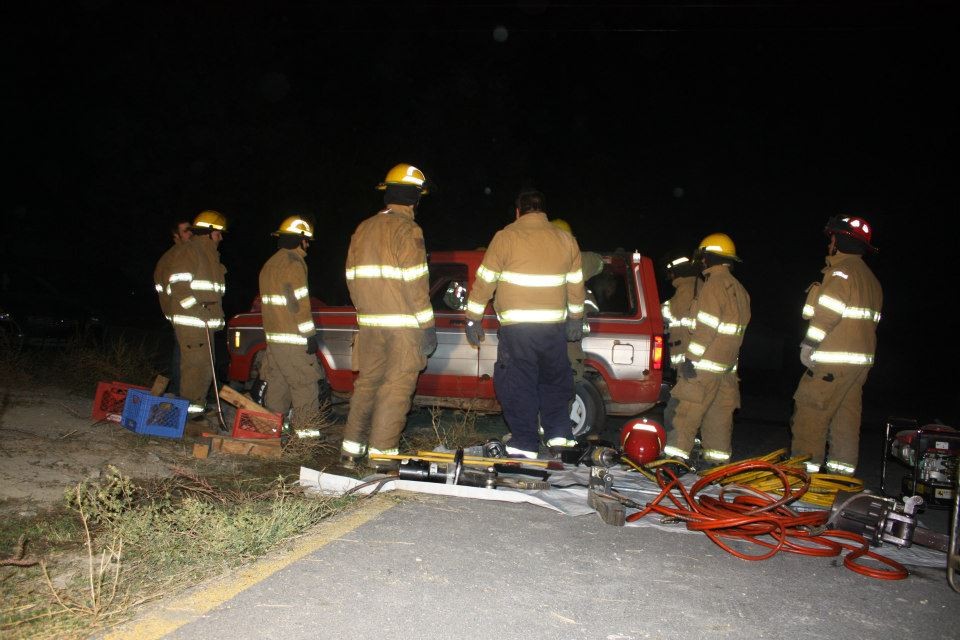
These photographs capture one of Cedar Fort Fire’s station training sessions, with multiple hands-on scenarios, including vehicle extrication. Crews worked through equipment preparation, vehicle stabilization and access, learning together as daylight gave way to night.
This was a special time for Erica. She loved attending and seeing what the department did to ready itself for the next emergency. Through her photographs, that preparation becomes visible: the people, the practice and the teamwork behind the response.
That experience helps shape the Freedom Farms vision: a place where departments can train together, build practical skills and strengthen the connections they rely on when the next call comes.
Equipment ready for the next scenario.Photo: Erica Dawson Clark · Cedar Fort Fire trainingLearning together as a crew.Photo: Erica Dawson Clark · Cedar Fort Fire trainingVehicle stabilization and teamwork.Photo: Erica Dawson Clark · Cedar Fort Fire trainingPracticing vehicle access.Photo: Erica Dawson Clark · Cedar Fort Fire trainingHands-on equipment practice.Photo: Erica Dawson Clark · Cedar Fort Fire trainingThe training continued after dark.Photo: Erica Dawson Clark · Cedar Fort Fire training
Brotherhood, remembrance & community
Honoring a fallen brother.
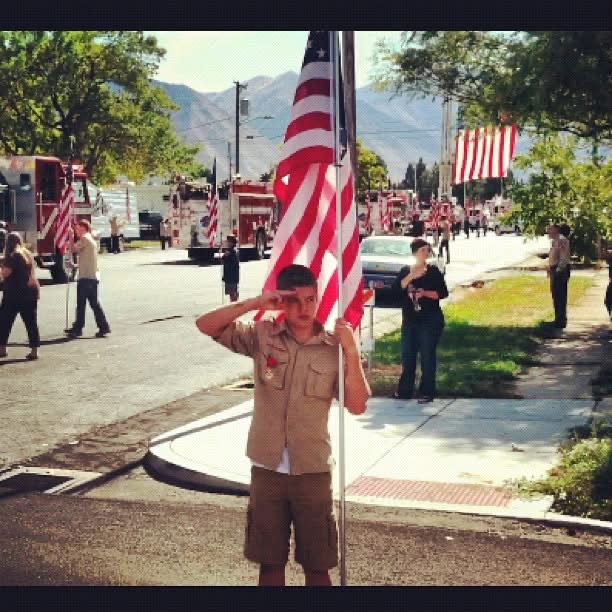
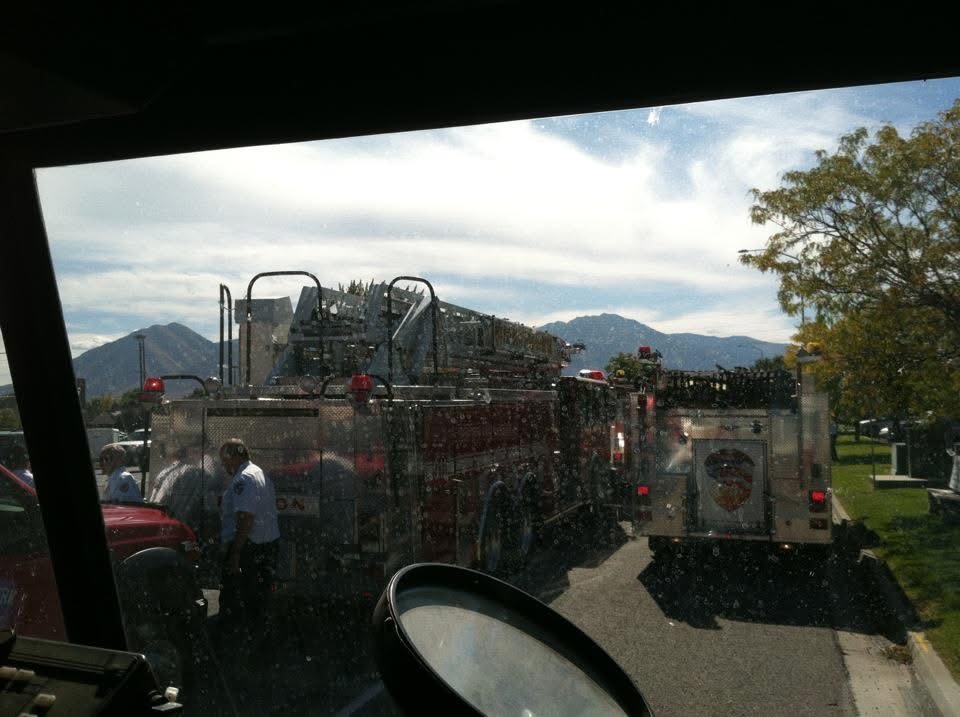
Scouts lined the street with American flags as firefighters gathered to honor a fallen brother. A quiet salute, a community standing together, and a reminder that the brotherhood carries beyond the call.
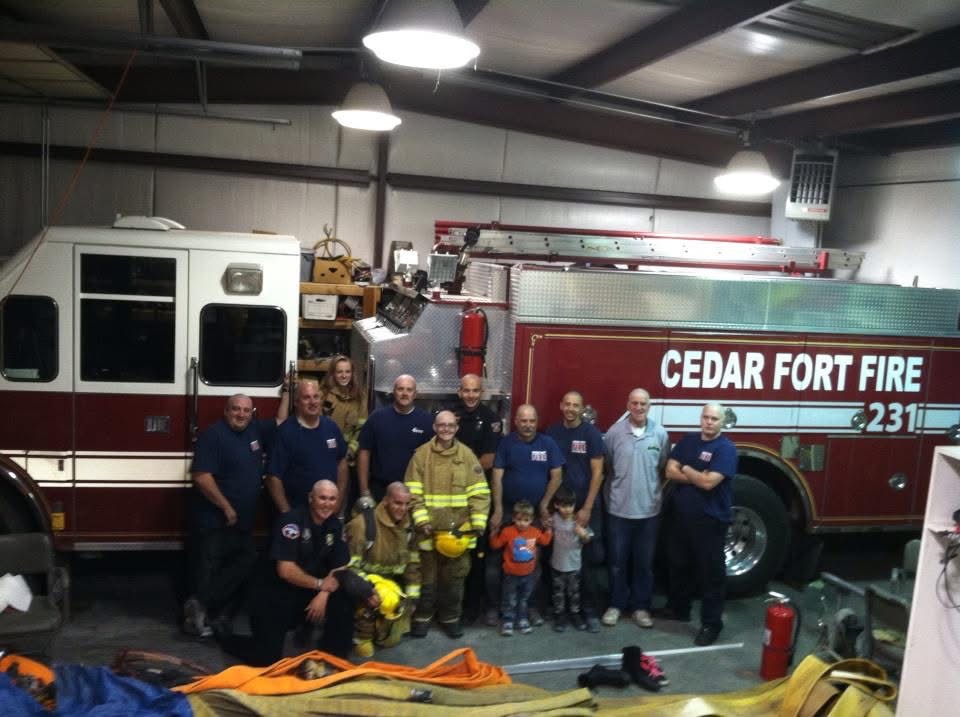
Erica attended the funeral on behalf of her husband during his time with Cedar Fort Fire and photographed the Scouts’ tribute and gathered apparatus. The separate Cedar Fort Fire station photo below captures another moment of community togetherness: supporting a woman during her cancer battle. These moments reflect the connection and care at the heart of Freedom Farms.
Scouts standing with flags in honor of a fallen firefighter.Photo: Erica Dawson ClarkThe fire service gathers to honor one of its own.Photo: Erica Dawson ClarkTogether for one of our own. Cedar Fort Fire members and family gathered in support of the woman at the front and center as she battled cancer. Supporting our community means standing together.Photo provided by Erica Dawson Clark
DBB
The Dust Bowl Ball · Where the sirens go quiet
Come for the music. Leave part of the mission.
A Western music gathering planned to bring the community into the Freedom Farms mission.
Live country music, acoustic sets, good food and a next-morning pancake breakfast bring responders, veterans, military families, farmers, builders and neighbors together. Any overnight event arrangements depend on the chosen venue and approved production plan.
In development
Date announced when venue permission, event scope and production budget are ready
Western musicCommunity gatheringAcoustic setsPancake breakfast
07 Music with a purpose
Erica Dawson · vocalist, songwriter, wife
Her music was here before Freedom Farms.
Erica Dawson is a country vocalist and songwriter with a real recording history of her own. She started on guitar at fourteen, found her voice, took her music to Nashville and built a catalog through Greenback Records, D & D Music and Lofton Creek.
“Strength of the Heart” reaches back to the beginning of our life together, recorded after we married 26 years ago. I lived the Nashville years with her—the promise, the work and the disappointment. Music has always been part of our connection, and it now helps carry the Freedom Farms mission forward.
Erica’s music lives among real people and real relationships: our life together, the country voices that shaped her, Nashville, recording teams, musicians, producers, media, artists, local performers, event organizers, guest voices and the people in uniform and their families who may hear themselves in it.
Her roots
Country storytelling, faith, horses, love, loss, humor and service.
Her record circle
Labels, Nashville contacts, recording teams, musicians, songwriters and the people who helped carry the songs.
Her wider reach
Country, Western, gospel, pop, Southern-rock energy, media, artists, producers, local performers and future guest voices.
Her audience
People in uniform and their families, veterans, neighbors, country fans and anyone who needs a song that understands them.
Erica singing at a circus with fellow clowns—a chapter of her music journey filled with community and shared joy. Behind her, in the red wig and white face makeup, is Jeff as Tag-Along. At least four of the clowns pictured have since passed on, leaving memories we cherish.
2001–2002
Early country records
Erica released How Much Is Love Worth through Greenback Records and Second Time Around through D & D Music.
2004
A Nashville chapter
Lofton Creek promoted “Strength of the Heart” in the country-radio cycle. Erica’s MusicRow chart history is part of the story; exact placement is still being documented.
Now
A new chapter for a reason
Her new songs carry the same lived-in country voice into Freedom Farms. A portion of future music profits will support the mission in the way Erica chooses.
Hands behind the mission
Good work is in the details.
Thirty years in construction taught Jeff to value preparation, patience and a job done carefully.
The copper rose brings that care down to a small scale: shaped petals, copper pipe and the marks of hands-on work. The details take time.
That same care belongs in Freedom Farms—in how the place is built and how people are welcomed.
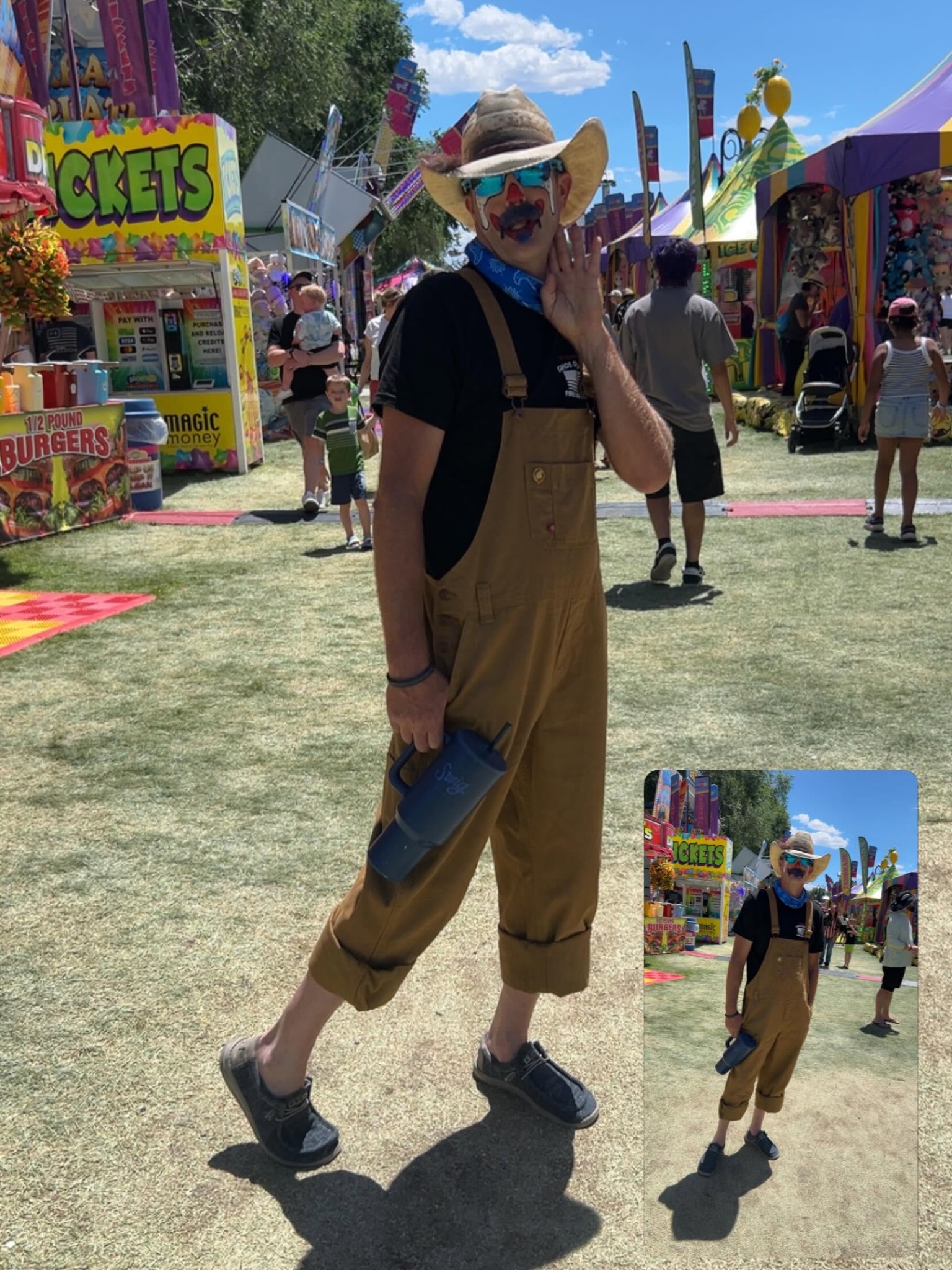
Bulls-Eye wanted to hang out at Riverton Town Days—and he certainly got a few looks. Kids turned to their moms: “Mommy, there’s a clown!”
Behind the makeup is Freedom Farms founder Jeff Clark, sharing his longtime love of clowning with the community. He loves putting on the makeup and making people smile.
Sometimes, bringing people together starts with a little laughter. We want to bring people together, give them purpose, and make room to smile, laugh and love.
A little clowning, a shared life, and a tradition carried forward.
Sharing the smiles
Life’s a circus together.
Erica doesn’t have a clown name. She simply loves sharing the circus of life with her husband—and joining in the fun.
The overalls she is wearing belonged to an Anah Shrine clown who had passed away. His wife passed them on to Jeff. Wearing them carries a piece of that clown’s story forward, with more laughter and smiles to share.
We want to leave a legacy of smiles, laughter, love and purpose—just as those before us gave us memories to cherish.
Had to get my dose of back home! Great seeing the Maine Cabin Masters out here in Utah.
People who can carry a piece forward
Who we need. What they would do.
Bring your experience to programs, responder and veteran support, or community connections. Each role has a practical job to do.
Agency and practical experience
Training & program advisers
Help define a useful part of the training, agriculture, skilled-trades or animal-response program. Connect the project with qualified instructors, operating partners and professional review.
Help shape peer and family connection, identify qualified-care partners and build practical referral relationships. Qualified professionals guide any clinical services.
Coordinate clear website and project updates, media relationships, sponsor recognition, community meals and introductions that bring people into the work.
We welcome experience from fire and EMS, law enforcement, military and veteran communities, along with the practical skills needed to build and run the project. Rural and volunteer departments remain a central focus.
Start with a conversation about your experience and availability. You can advise a program or take on a defined piece of work.
08 Building the future together
The beginning needs the right people
Help build one piece that works.
Help design, teach, build, equip, fund, operate or document a defined part of Freedom Farms. A technical review, nonbinding support letter, scoped estimate, useful introduction or in-kind contribution can move the next piece forward.
01
Training & agency review
Facility requirements, qualified instructors, program guidance and nonbinding support letters.
02
Mess Hall & bunks
Kitchen equipment, movable partitions, beds, mattresses, laundry and classroom technology.
03
Town & responder readiness
Interior build-outs, durable props, apparatus support, communications and training access.
04
The Hot Spot
Outdoor gathering space, specialty dinners, peer connection and family time.
05
Animals & working land
Arena and stable components, fencing, feed, animal-handling equipment and FFEART logistics.
06
Veterans, youth & trades
Hands-on paths into agriculture, construction, equipment, skilled work and public service.
07
Design, water & solar
Professional review, scoped estimates, site work, steel, stored water, power and resilient infrastructure.
08
Dust Bowl Ball
Production, stage, sound, lighting, food and approved event hospitality.
09
Document the build
Photography, the build story, mission cards, signage and clear public communication.
Bring one useful lane. We’ll figure out where it fits.
A useful first phase. A campus that keeps growing.
Groundbreaking, the first operating programs, the grand reveal and Dust Bowl Ball are separate milestones. Dates follow the work and resources needed for each.
01
Shape & price the work
Use the concept drawing, advisor requirements, estimates and defined contributions to choose the first funded scope.
02
Access & the beginning
Prepare approved access, utilities and the first usable areas, including the outdoor Hot Spot and working-land support.
03
Build the core campus
Develop HQ, the town, EMS apron, Mess Hall and upstairs bunks, plus initial equine and animal-response areas.
04
Add specialty areas
Bring fire, SCBA, observation, aviation and separate aquatic projects forward as their requirements and resources are ready.
05
Test the first programs
Use a small approved course, controlled exercise, gathering and training stay to test the operating model.
06
Open & keep building
Introduce completed areas at the grand reveal, then grow recurring training and community use. Dust Bowl Ball has its own event plan.
A place to start
See your place in it?
Tell us what you can bring—skills, equipment, introductions, time, creative energy or a question worth asking. We’ll start there.